
Sumit chrono
8 months ago


ARMD is one of the better-studied targets for cell therapy, mainly because the cells at the heart of the damage are well defined.
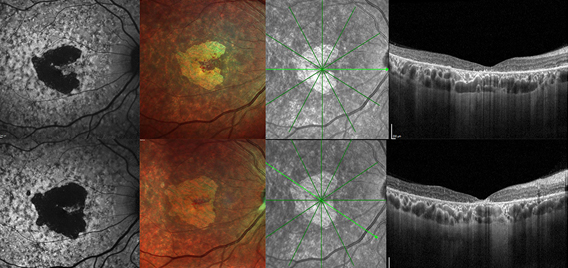
The macula depends on a thin layer of retinal pigment epithelium to feed and clean the light-sensing cells above it. In advanced ARMD this layer fails. Researchers have therefore tried to grow replacement pigment cells from stem cells and place them under the retina, sometimes on a thin supporting sheet.
Early trials in dry and wet disease reported that the cells could survive in some eyes and that the procedure could be performed with acceptable safety.
Trials so far are small, and many measure safety instead of visual benefit. Outcomes vary, and some patients developed scarring or inflammation. Large studies comparing treated and untreated eyes are still needed before any therapy can be called established.
Be cautious about any clinic that presents these experiments as routine care.
Look for the trial registry number, the stage of ARMD included, the measure used for success and the length of follow-up. Real data come with numbers, dates and limitations.
Established for wet ARMD.
Approved in some countries for atrophy.
Experimental.
Early research.
Recent OCT and autofluorescence.
Dry, wet or atrophic.
Do not stop injections.
Heart and diabetes matter.
Eye Stem Cell Center brings together pioneers in stem cell biotechnology and highly experienced ophthalmologists to provide advanced regenerative eye care with compassion and precision.
Dr. Pallavi is renowned for her expertise in cataract and corneal surgeries. With thousands of successful procedures, she combines surgical precision with a patient‑first approach.
Get ConsultationDr. Robin specializes in advanced cataract surgery, refractive procedures, and keratoconus treatment. His clinical excellence ensures patients receive world‑class eye care.
Get ConsultationDr. Pawan is an expert in retinal disorders, diabetic retinopathy, and advanced retina procedures. His patient‑focused approach ensures precise treatment and long‑term vision care.
Get ConsultationNot as standard care. They remain research-stage.
Mostly retinal pigment epithelial cells derived from stem cells.
No. Injections stay the standard for wet disease.
In most studies, yes, to place cells under the retina.
Usually people with advanced, defined disease and stable findings.
Bleeding, scarring and immune reaction are possible.



