
Sumit chrono
7 months ago


Being told that your optic nerve is pale or atrophic can leave more questions than answers. This page explains what it means, why finding the cause comes first, and what stem cell therapy can and cannot offer for people in the UK.
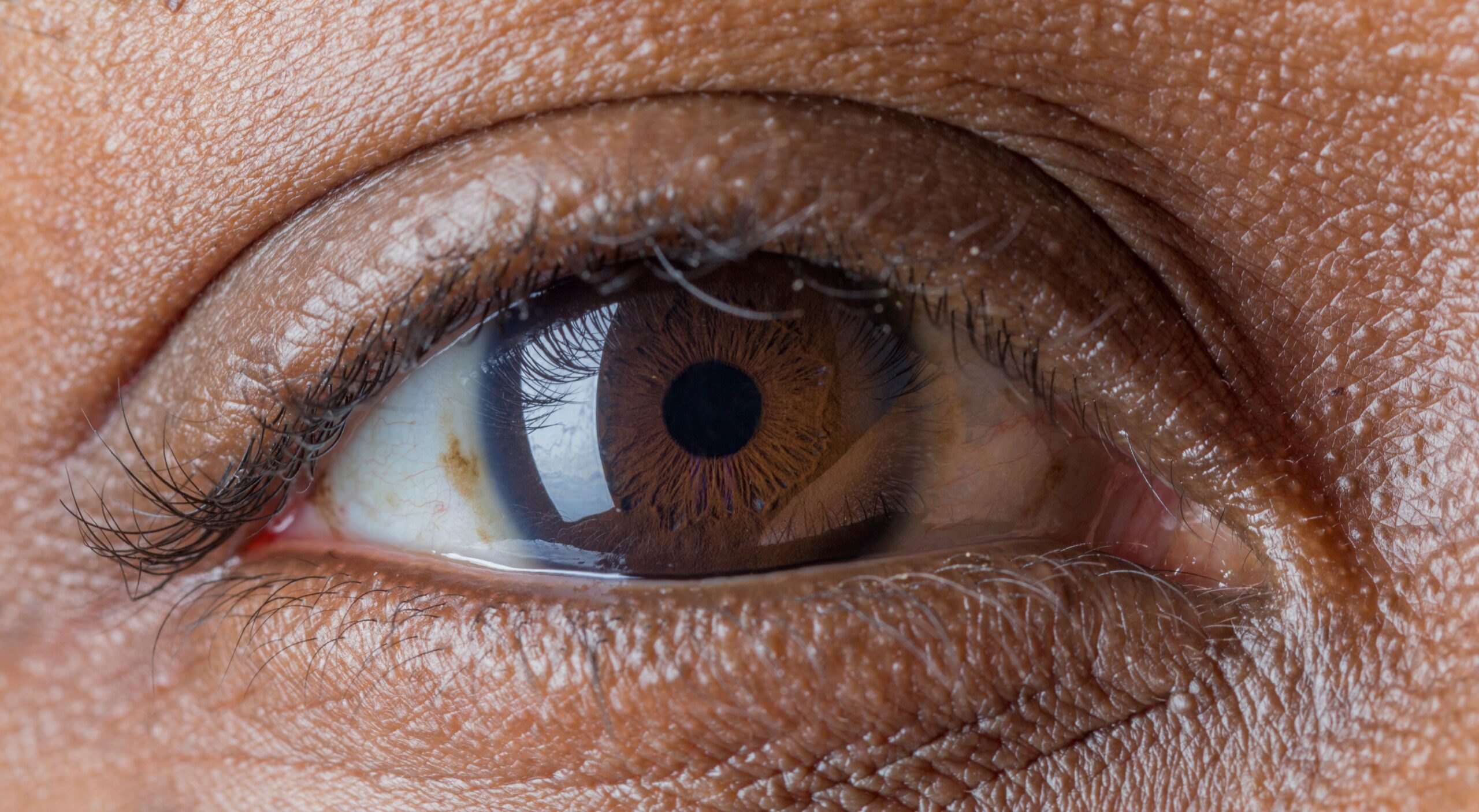
Optic nerve atrophy is the end result of damage to the nerve that links eye and brain. As nerve fibres are lost, the optic disc looks pale and vision can blur, dim or develop blind areas. It is a sign of an underlying problem rather than a disease in itself.
Sudden loss of vision, eye pain with movement, or a dark curtain across vision needs same-day assessment through an eye casualty department or A&E. Early treatment can matter for several causes.
Your hospital team will usually arrange an OCT scan of the nerve fibre layer, visual field testing and colour vision checks. An MRI of the brain and orbits and blood tests are added when the cause is unclear, and a neurologist may be involved.
Lowering eye pressure, replacing deficient vitamins, stopping a toxic drug or treating inflammation can protect remaining fibres.
Optic neuritis or related immune conditions may need steroids or longer-term therapies, guided by a neurologist.
Repeat OCT and field tests show whether the condition is stable and prompt a change in plan if it is not.
Lost nerve fibres do not regrow with any proven treatment. Stem cell approaches are investigational and aim at supporting fibres that survive. They are not approved, results are unpredictable, and treatment of the underlying cause should never be delayed or stopped for them.
A CVI from your consultant gives access to local council and charity support.
Assessments for magnifiers, lighting and technology.
Advice, helplines and peer support.
Access to Work for employees, and Disabled Students’ Allowance for students.
Upload your OCT, field tests and MRI report through our Upload Report page. We will tell you whether a full assessment is worth considering, and prepare a summary your NHS team can use.
Eye Stem Cell Center brings together pioneers in stem cell biotechnology and highly experienced ophthalmologists to provide advanced regenerative eye care with compassion and precision.
Dr. Pallavee is renowned for her expertise in cataract and corneal surgeries. With thousands of successful procedures, she combines surgical precision with a patient‑first approach.
Get ConsultationDr. Robin specializes in advanced cataract surgery, refractive procedures, and keratoconus treatment. His clinical excellence ensures patients receive world‑class eye care.
Get ConsultationDr. Pawan is an expert in retinal disorders, diabetic retinopathy, and advanced retina procedures. His patient‑focused approach ensures precise treatment and long‑term vision care.
Get ConsultationNot at present. Care focuses on the cause and on protecting the vision that remains.
Often yes, especially when the cause is not clear. It helps rule out compression and inflammatory disease.
No. It is considered only for selected cases after the cause has been addressed, and it remains experimental.


