Have any question? Call Us Now?

Blog
October 13, 2026
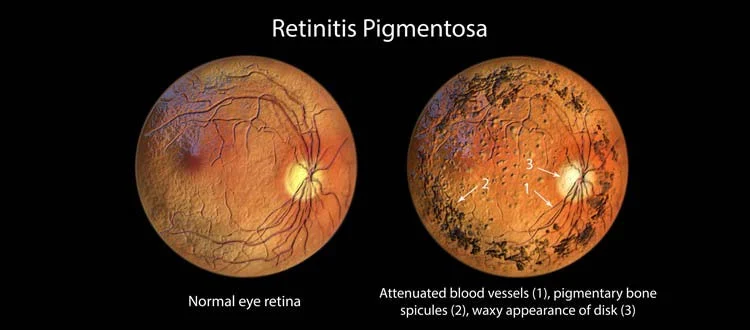
Stem Cell Treatment for Retinitis Pigmentosa: What Research Shows, What Is Still Unproven, and How to Choose Wisely
Last updated: 13 October 2026 | Author: Prashant Tyagi (Stem Cell Biotechnology Specialist, 10+ years) and Dr. Pallavee Senior Consultant | Ophthalmologist & Eye Surgeon 22+ Years Experience A diagnosis of retinitis pigmentosa (RP) is hard to hear, and many families quickly search for stem cell treatment for retinitis pigmentosa. This guide explains what RP
October 09, 2026
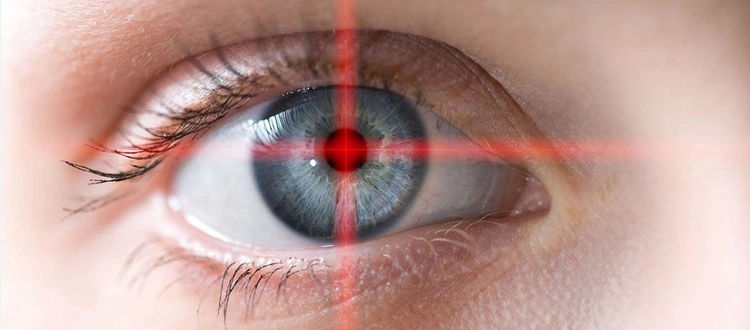
Retinal dystrophy disease treatment in India
Last updated: 9 October 2026 | Author: Prashant Tyagi (Stem Cell Biotechnology Specialist, 10+ years) and Dr. Pallavee Senior Consultant | Ophthalmologist & Eye Surgeon 22+ Years Experience Retinal dystrophy disease treatment in India is a topic many families search for after a diagnosis of an inherited retinal condition. The honest starting point is this: retinal

October 01, 2026
Stem Cell Therapy for Diabetic Retinopathy: A New Approach to Protecting Vision
Medically reviewed by Dr. Prashant Tyagi (Stem Cell Biotechnology Specialist, 10+ years) and Dr. Pallavee Senior Consultant | Ophthalmologist & Eye Surgeon 22+ Years Experience Diabetic retinopathy (DR) is one of the leading causes of blindness among working-age adults, caused by long-term damage to the blood vessels in the retina from high blood sugar. As
September 30, 2026
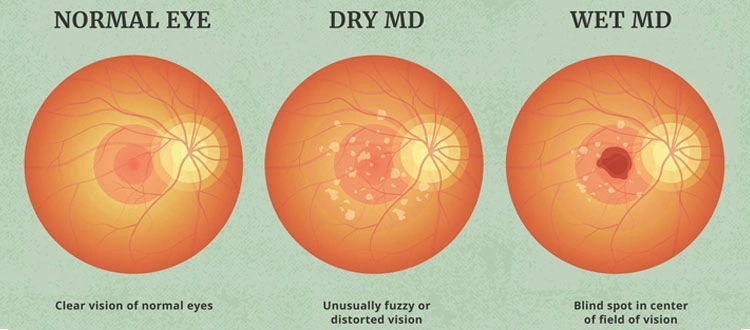
Macular Degeneration Treatment in India: How Stem Cell Therapy Supports Aging Eyes
Medically reviewed by Dr. Prashant Tyagi (Stem Cell Biotechnology Specialist, 10+ years) and Dr. Pallavee Senior Consultant | Ophthalmologist & Eye Surgeon 22+ Years Experience Age-related macular degeneration (AMD) is the leading cause of severe vision loss in people over 55 in the developed world, gradually affecting central vision needed for reading, driving, and recognizing
September 26, 2026
Diabetic Retinopathy Treatment In India – Advanced Care for Better Vision
Medically reviewed by Dr. Prashant Tyagi (Stem Cell Biotechnology Specialist, 10+ years) and Dr. Pallavee Senior Consultant | Ophthalmologist & Eye Surgeon 22+ Years Experience Diabetic Retinopathy is one of the most common diabetes-related eye complications and a leading cause of vision impairment among adults. High blood sugar levels can damage the tiny blood vessels

September 23, 2026
Patient Journey: What to Expect Before, During and After Eye Stem Cell Treatment
Medically reviewed by Dr. Prashant Tyagi (Stem Cell Biotechnology Specialist, 10+ years) and Dr. Pallavee Senior Consultant | Ophthalmologist & Eye Surgeon 22+ Years Experience Eye stem cell treatment itself is usually a single, minimally invasive procedure — but what happens before and after it often matters just as much for long-term outcomes. For patients
September 21, 2026
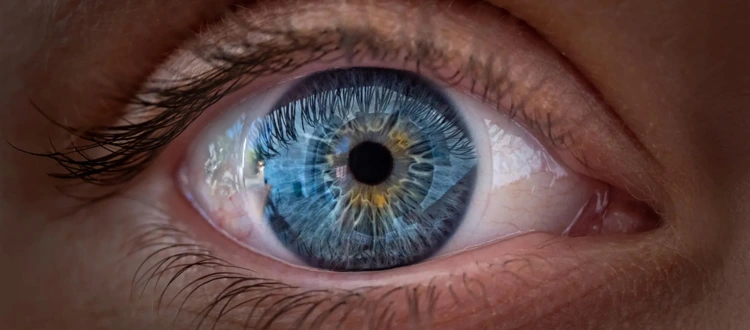
Glaucoma and Stem Cell Therapy: What Patients Should Know
Medically reviewed by Dr. Prashant Tyagi (Stem Cell Biotechnology Specialist, 10+ years) and Dr. Pallavee Senior Consultant | Ophthalmologist & Eye Surgeon 22+ Years Experience Glaucoma is often called the “silent thief of sight” because it typically progresses without noticeable symptoms until significant, irreversible vision loss has already occurred. As one of the leading causes
September 17, 2026
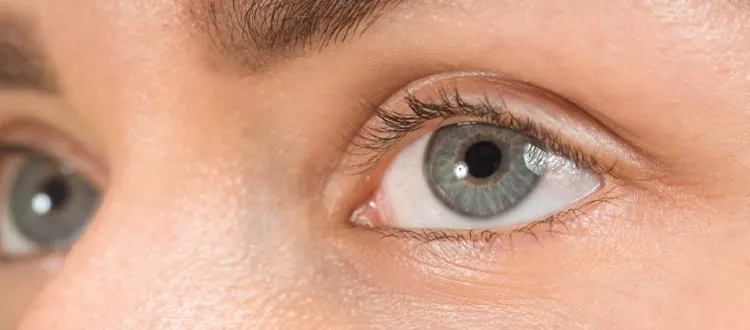
Choosing a Stem Cell Eye Clinic: Questions to Ask Before You Commit
Medically reviewed by Dr. Prashant Tyagi (Stem Cell Biotechnology Specialist, 10+ years) and Dr. Pallavee Senior Consultant | Ophthalmologist & Eye Surgeon 22+ Years Experience If you’re considering stem cell treatment for an eye condition, the clinic you choose matters just as much as the treatment itself. With regenerative medicine growing rapidly, patients now face
September 15, 2026
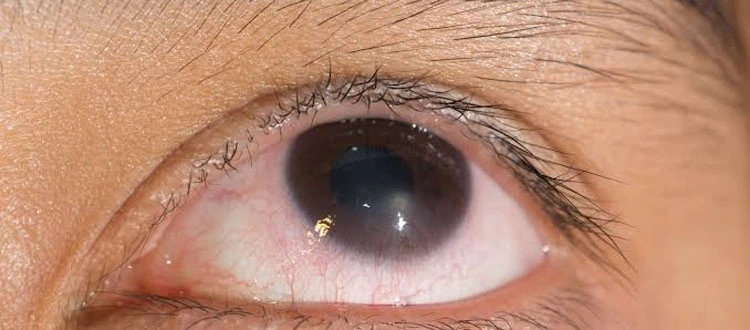
Corneal Stem Cell Therapy: Treating Limbal Stem Cell Deficiency
Medically reviewed by Dr. Prashant Tyagi (Stem Cell Biotechnology Specialist, 10+ years) and Dr. Pallavee Senior Consultant | Ophthalmologist & Eye Surgeon 22+ Years Experience Unlike many stem cell treatments still confined to research trials, corneal stem cell therapy for limbal stem cell deficiency (LSCD) is one of the few genuinely established, evidence-backed regenerative treatments
September 14, 2026
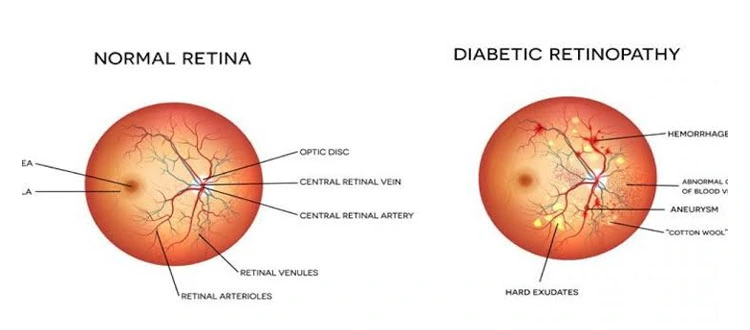
Diabetic Retinopathy: Can Stem Cells Help Restore Vision?
Medically reviewed by Dr. Prashant Tyagi (Stem Cell Biotechnology Specialist, 10+ years) and Dr. Pallavee Senior Consultant | Ophthalmologist & Eye Surgeon 22+ Years Experience Diabetic retinopathy is one of the most common complications of long-standing diabetes and remains a leading cause of vision loss among working-age adults worldwide. As blood sugar levels stay elevated