Sumit chrono
7 months ago


Optic nerve atrophy means the nerve that carries images from the eye to the brain has lost fibres. It is the result of many different conditions rather than one disease, so any conversation about treatment has to start with the cause. This page explains how stem cell therapy is being explored and how Canadian patients can seek an assessment.
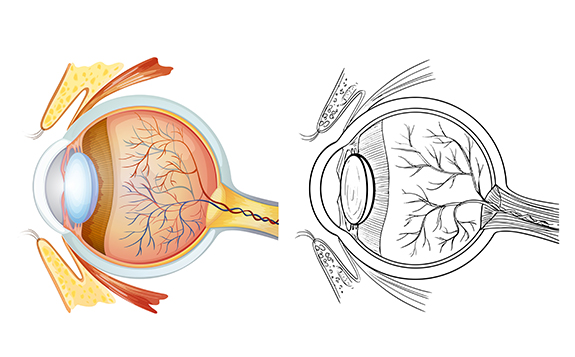
The fibres of the optic nerve belong to retinal ganglion cells, and in adults these fibres do not regrow on their own. That is why vision lost to optic nerve damage has traditionally been considered permanent.
Stem cell research looks at whether neuroprotective factors might help surviving fibres last longer. Stem cell therapy is still an experimental treatment. It is not approved by Health Canada or the US FDA for these conditions, and results differ from person to person. We cannot promise any particular outcome.
Finding the cause is the first step, because it decides what can and cannot be done.
These findings help our doctors decide whether an assessment is worth your time and travel.
Rules out compression and shows signs of inflammatory disease.
Measures how much nerve tissue remains.
Tests how well signals travel along the visual pathway.
Therapy is generally considered once the underlying cause has been treated or has settled.
Practical support can make daily life easier now, whatever you decide about further treatment.
Magnifiers, electronic readers and screen-reading tools.
Training, devices and peer support for people living with sight loss.
Simple changes at home and work often help more than people expect.
We will tell you honestly whether an assessment is worthwhile.
Eye Stem Cell Center brings together pioneers in stem cell biotechnology and highly experienced ophthalmologists to provide advanced regenerative eye care with compassion and precision.
Dr. Pallavi is renowned for her expertise in cataract and corneal surgeries. With thousands of successful procedures, she combines surgical precision with a patient‑first approach.
Get ConsultationDr. Robin specializes in advanced cataract surgery, refractive procedures, and keratoconus treatment. His clinical excellence ensures patients receive world‑class eye care.
Get ConsultationDr. Pawan is an expert in retinal disorders, diabetic retinopathy, and advanced retina procedures. His patient‑focused approach ensures precise treatment and long‑term vision care.
Get ConsultationThere is no proven way to restore lost nerve fibres. Experimental therapy is discussed as a possible way to support remaining function, and outcomes vary.
Yes, significantly. A compressive cause may need surgery, an inflammatory one needs neurology input, and a hereditary one is managed differently again.
Not for us, but it helps to bring your records, MRI reports and any neurologist or neuro-ophthalmologist letters.