Sumit chrono
7 months ago


Treatment of optic nerve atrophy begins with finding out why the nerve was damaged. This page follows the usual path, from tests to treating the cause to rehabilitation, so patients and families in Pakistan know what to ask their doctors.
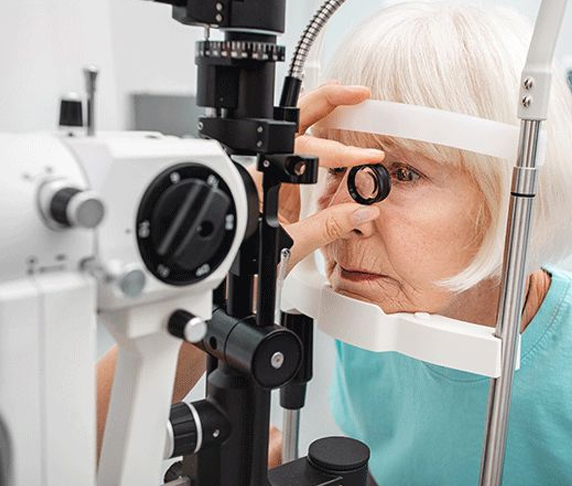
Inflammation may need steroids under specialist care. Glaucoma needs pressure control. A growth pressing on the nerve may need surgery. Deficiencies are corrected and harmful medicines reviewed with your physician.
Note dates when vision changed, any new symptoms such as headache or eye pain, and the medicines taken. This helps doctors judge whether the damage is stable or still progressing.
High-contrast materials, large print, bright lighting and magnifiers help. A rehabilitation specialist can teach scanning skills for reading and walking.
Stem cell therapy for the optic nerve is experimental, considered only after the cause is dealt with, and not guaranteed. Send your reports on WhatsApp at +91-9760013103. Visa services for Pakistani nationals have been restricted since April 2025, so confirm the current rules before planning travel.
Eye Stem Cell Center brings together pioneers in stem cell biotechnology and highly experienced ophthalmologists to provide advanced regenerative eye care with compassion and precision.
Dr. Pallavi is renowned for her expertise in cataract and corneal surgeries. With thousands of successful procedures, she combines surgical precision with a patient‑first approach.
Get ConsultationDr. Robin specializes in advanced cataract surgery, refractive procedures, and keratoconus treatment. His clinical excellence ensures patients receive world‑class eye care.
Get ConsultationDr. Pawan is an expert in retinal disorders, diabetic retinopathy, and advanced retina procedures. His patient‑focused approach ensures precise treatment and long‑term vision care.
Get ConsultationThat depends on the cause. Some causes can be stopped, but lost fibres rarely return.
Often yes, especially if an MRI shows a problem or if there are other symptoms.
Yes, particularly with inherited, toxic or nutritional causes.