
Sumit chrono
7 months ago


Not all stem cells are the same. This page explains the main cell types, how they might reach the macula and why those differences matter when you read a claim.
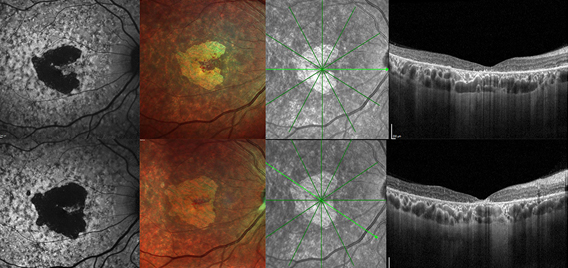
Embryonic and induced pluripotent stem cells can be turned into retinal cell types in the laboratory. Mesenchymal cells, taken from bone marrow, fat or cord tissue, are not expected to become retina and are studied mainly for the support signals they release.
A claim that stem cells helped therefore means little until you know which cells were used and how they were delivered.
These separate research from marketing.
No route has proven benefit for macular dystrophy.
Closest to the macula but needs delicate retinal surgery.
Simpler, but cells may not reach the target layers.
A newer route studied for lower surgical risk.
Mostly early-phase safety studies.
Protect your remaining sight.
Be wary of promises of recovery.
They know your baseline.
Scans before any procedure are essential.
Before agreeing to anything.
Eye Stem Cell Center brings together pioneers in stem cell biotechnology and highly experienced ophthalmologists to provide advanced regenerative eye care with compassion and precision.
Dr. Pallavi is renowned for her expertise in cataract and corneal surgeries. With thousands of successful procedures, she combines surgical precision with a patient‑first approach.
Get ConsultationDr. Robin specializes in advanced cataract surgery, refractive procedures, and keratoconus treatment. His clinical excellence ensures patients receive world‑class eye care.
Get ConsultationDr. Pawan is an expert in retinal disorders, diabetic retinopathy, and advanced retina procedures. His patient‑focused approach ensures precise treatment and long‑term vision care.
Get ConsultationCurrent evidence suggests they act through support signals rather than becoming retinal cells.
Adult cells reprogrammed into a stem-like state, then guided to become retinal cells.
Each has trade-offs and none is proven for macular dystrophy.



