Sumit chrono
7 months ago


A gene test result for Stargardt’s can look like a page of codes. This guide explains the terms in plain language and shows how the result shapes follow-up, family planning and research choices.
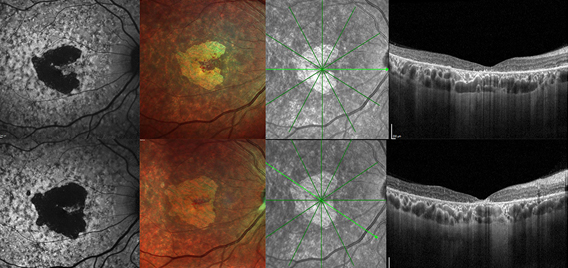
Most Stargardt’s is caused by changes in the ABCA4 gene. A report lists the variants found, how they were classified, and sometimes which parent each came from.
The classification matters. A pathogenic variant is a confirmed cause, a variant of uncertain significance is not yet proven either way, and a benign one is not the cause.
Check these lines on your report.
A report becomes useful when it changes decisions.
Separates Stargardt’s from other macular diseases.
Some variant combinations are linked with earlier or faster disease.
Some studies accept only certain variants.
Brothers, sisters and future children can be counselled.
Small actions with lasting value.
Not just the conclusion line.
A counsellor explains risk to family members.
Classifications can change.
Keep paper and digital versions.
Eye Stem Cell Center brings together pioneers in stem cell biotechnology and highly experienced ophthalmologists to provide advanced regenerative eye care with compassion and precision.
Dr. Pallavi is renowned for her expertise in cataract and corneal surgeries. With thousands of successful procedures, she combines surgical precision with a patient‑first approach.
Get ConsultationDr. Robin specializes in advanced cataract surgery, refractive procedures, and keratoconus treatment. His clinical excellence ensures patients receive world‑class eye care.
Get ConsultationDr. Pawan is an expert in retinal disorders, diabetic retinopathy, and advanced retina procedures. His patient‑focused approach ensures precise treatment and long‑term vision care.
Get ConsultationIt means more evidence is needed. Your eye findings still guide care.
Only partly. The course varies even within one family.
The patient and close relatives, especially before pregnancy.