
Sumit chrono
7 months ago


A retinitis pigmentosa (RP) diagnosis usually arrives in a short clinic appointment, and the questions come afterwards. This page is written for people in the UK who want to understand the condition properly, know what the NHS offers, and see where stem cell therapy honestly stands before deciding anything.
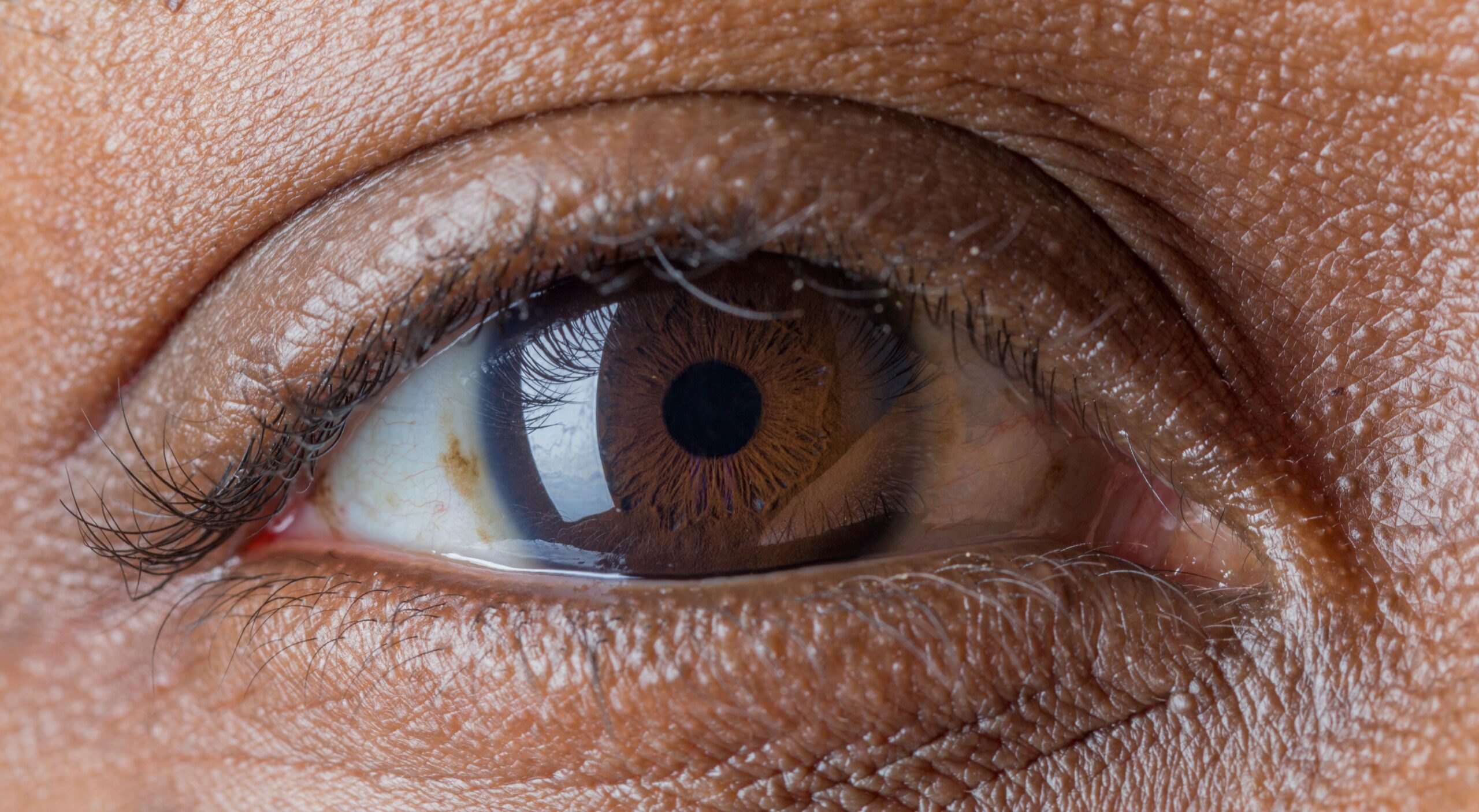
RP is one of the most common inherited causes of sight loss. Different genes can trigger it, but the effect is similar: the retina’s rod cells fade first, then the cones. Many people describe the early years as trouble with dusk and dimly lit pubs or cinemas, followed by a slowly closing field of view.
Your optometrist or GP refers you to a hospital eye service, and complex cases go on to an inherited retinal disease clinic. There you can expect retinal imaging, visual field tests and, at specialist centres, an electroretinogram. Genetic testing is offered through the NHS genomic medicine service for many patients, and a clear gene result can open doors to clinical trials.
Only a few options have proper evidence behind them for RP.
Voretigene neparvovec has been recommended by NICE for eligible patients with confirmed biallelic RPE65 disease. It applies to a very small group and only after genetic confirmation.
Lens clouding appears earlier in RP. Surgery can restore brightness and contrast even when the retina remains affected.
Fluid in the central retina can sometimes be eased with drops or tablets, helping reading vision.
Several gene and cell studies are running in specialist centres. Your NHS consultant is the best person to tell you which ones you may qualify for.
Stem cell therapy for RP is investigational. The aim is to support surviving photoreceptors and the supportive retinal layers, not to rebuild the retina. It is not an approved treatment, outcomes vary, and it sits outside the NHS pathway, so your NHS team will not fund or provide it. We assess your reports first and tell you plainly if the approach is unlikely to help.
Your consultant can issue a CVI, which allows registration as sight impaired and opens access to support.
Retina UK and RNIB offer advice, peer groups and helplines.
Visual field loss can affect your licence, so check current DVLA rules and tell them when required.
Access to Work can fund equipment and adjustments in employment.
Send recent scans, field tests and any genetic report through our Upload Report page. Ask your hospital for copies of your notes, check that your travel insurance covers treatment abroad, and keep your NHS follow-up going alongside anything we advise.
Eye Stem Cell Center brings together pioneers in stem cell biotechnology and highly experienced ophthalmologists to provide advanced regenerative eye care with compassion and precision.
Dr. Pallavi is renowned for her expertise in cataract and corneal surgeries. With thousands of successful procedures, she combines surgical precision with a patient‑first approach.
Get ConsultationDr. Robin specializes in advanced cataract surgery, refractive procedures, and keratoconus treatment. His clinical excellence ensures patients receive world‑class eye care.
Get ConsultationDr. Pawan is an expert in retinal disorders, diabetic retinopathy, and advanced retina procedures. His patient‑focused approach ensures precise treatment and long‑term vision care.
Get ConsultationYou remain entitled to NHS care for complications and monitoring, but the NHS does not provide or fund the stem cell treatment itself.
It is useful for trials and family planning. We can still review your other reports if you do not have one.
There is no evidence that it can stop RP. It is experimental and any benefit is uncertain.


