
Sumit chrono
7 months ago


Rod and cone dystrophy affects both kinds of light-sensing cell in the retina. Rods handle dim light and side vision, while cones give sharp central vision, colour and comfort in daylight. When both are involved, people struggle with glare and colour as well as night vision. Families in Seiyun, Dhamar and across Yemen often tell us the first sign was a child squinting in sunlight or failing to see the classroom board.
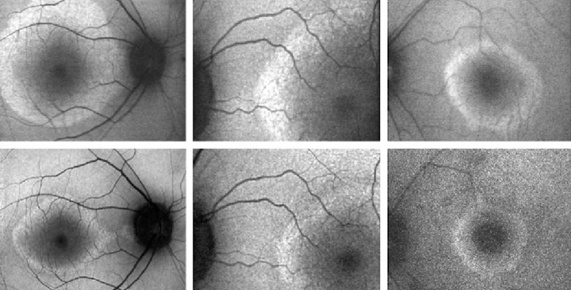
In cone-rod dystrophy the cones often fail first, so central vision and colour are lost early. In RP, rods usually go first. Getting the right label matters because it shapes expectations, monitoring and genetic counselling.
Stem cell therapy for rod and cone dystrophy is experimental. The aim is to support the photoreceptors that remain. There is no approved stem cell treatment for this condition, and outcomes vary.
Bright light feels uncomfortable or painful
Central blur appears when reading
The eyes adjust slowly between light and dark
A child avoids sunlight or struggles to read the board
Early assessment helps with school planning, such as front-row seating, large-print books and tinted lenses. If an ERG has already been done, send the report. If not, our doctors will tell you which tests to arrange.
Eye Stem Cell Center brings together pioneers in stem cell biotechnology and highly experienced ophthalmologists to provide advanced regenerative eye care with compassion and precision.
Dr. Pallavi is renowned for her expertise in cataract and corneal surgeries. With thousands of successful procedures, she combines surgical precision with a patient‑first approach.
Get ConsultationDr. Robin specializes in advanced cataract surgery, refractive procedures, and keratoconus treatment. His clinical excellence ensures patients receive world‑class eye care.
Get ConsultationDr. Pawan is an expert in retinal disorders, diabetic retinopathy, and advanced retina procedures. His patient‑focused approach ensures precise treatment and long‑term vision care.
Get ConsultationThey are related but not identical. Rod and cone dystrophy involves cones more strongly, so central vision and colour are affected earlier.
Many patients find that tinted lenses or a brimmed cap reduce glare. They do not treat the disease.
Most forms are inherited. Sharing the reports of affected relatives helps our doctors understand the pattern.



