Sumit chrono
7 months ago


Stargardt disease and other macular dystrophies often appear in childhood or young adulthood, just as study, work and independence are taking shape. This page explains what the diagnosis means, which support and trials exist in the UK, and how stem cell therapy realistically fits.
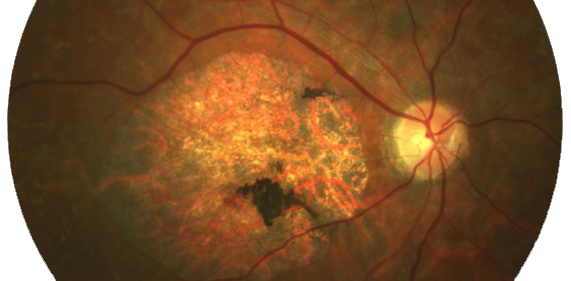
Stargardt disease is usually caused by changes in the ABCA4 gene and is inherited in a recessive pattern. Waste material builds up beneath the macula and damages it. Central vision falls while side vision is normally kept, so most people can still move around independently. Other macular dystrophies, such as Best disease and pattern dystrophy, behave differently and need their own assessment.
Good sunglasses and a brimmed hat are widely advised to reduce light stress on the retina.
Specialists often advise against high-dose vitamin A preparations in Stargardt disease unless prescribed, so check with your retinal team before taking any.
Magnification, contrast settings and screen readers keep study and work achievable.
Gene, drug and cell studies are under way at specialist UK centres. Your inherited retinal disease clinic can advise on eligibility.
Transplanting retinal support cells has been tested in early-phase trials for Stargardt disease, and the work remains experimental. No stem cell treatment is approved. We discuss it only as an investigational option, after reviewing your scans, and without promising any improvement.
Central vision standards matter for licensing, so check current DVLA guidance and speak to your specialist.
Disabled Students’ Allowance and school vision support can help learners.
Information, helplines and peer groups for families.
A CVI opens access to local services and benefits advice.
Upload your autofluorescence images, OCT and any genetic report through our Upload Report page. We respond with a straightforward opinion and a summary your NHS clinic can use.
Eye Stem Cell Center brings together pioneers in stem cell biotechnology and highly experienced ophthalmologists to provide advanced regenerative eye care with compassion and precision.
Dr. Pallavi is renowned for her expertise in cataract and corneal surgeries. With thousands of successful procedures, she combines surgical precision with a patient‑first approach.
Get ConsultationDr. Robin specializes in advanced cataract surgery, refractive procedures, and keratoconus treatment. His clinical excellence ensures patients receive world‑class eye care.
Get ConsultationDr. Pawan is an expert in retinal disorders, diabetic retinopathy, and advanced retina procedures. His patient‑focused approach ensures precise treatment and long‑term vision care.
Get ConsultationCentral vision usually declines, but side vision is generally preserved, so most people stay mobile.
Not yet. Care centres on protection from light, support and trials, and stem cell therapy remains experimental.
A genetics service can explain risk for relatives and the options for testing.