
Sumit chrono
7 months ago


There is currently no cure for rod and cone dystrophy, but careful management makes daily life easier and helps catch complications early. This page covers practical care for people in Oman, from glare control to school, work and research.
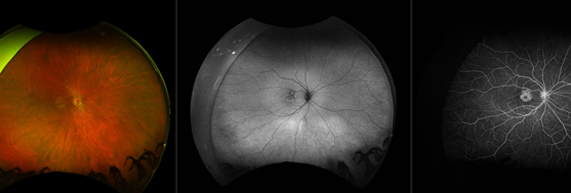
These conditions are inherited and usually progress slowly, although the pace varies widely, even within one family. Good management focuses on comfort, safety and independence.
Because marriages between relatives are fairly common in the region, other family members may be affected or be carriers. Genetic counselling explains the pattern and helps with family planning.
Follow-up lets your specialist spot change and treatable complications.
Small practical changes can reduce daily difficulty.
UV-blocking tinted lenses, wide-brimmed hats and shaded routes help in strong sunlight.
Label clothes, use colour-identifier apps and ask for help with colour-coded tasks.
Use high-contrast settings, larger fonts, magnifiers and good task lighting.
Use brighter, evenly spread lighting at home and carry a torch outdoors.
Planning ahead keeps options open.
Ask the school about large print, seating and extra time.
Many employers can adjust lighting and software.
Check licensing vision standards early and plan alternatives.
Clinical trials for inherited retinal disease are ongoing. Stem cell therapy is experimental. Stem cell therapy for this condition is still experimental. It is not an approved standard treatment, and results differ from person to person. We cannot promise any particular outcome.
Eye Stem Cell Center brings together pioneers in stem cell biotechnology and highly experienced ophthalmologists to provide advanced regenerative eye care with compassion and precision.
Dr. Pallavi is renowned for her expertise in cataract and corneal surgeries. With thousands of successful procedures, she combines surgical precision with a patient‑first approach.
Get ConsultationDr. Robin specializes in advanced cataract surgery, refractive procedures, and keratoconus treatment. His clinical excellence ensures patients receive world‑class eye care.
Get ConsultationDr. Pawan is an expert in retinal disorders, diabetic retinopathy, and advanced retina procedures. His patient‑focused approach ensures precise treatment and long‑term vision care.
Get ConsultationMost people change gradually, but the speed varies widely, even within one family.
Good tinted lenses often reduce glare discomfort, though they do not slow the disease.
Yes. Send your reports and we will arrange a consultation.



