
Sumit chrono
7 months ago


Diabetic retinopathy often causes no symptoms until damage is advanced, which is why regular eye screening matters so much. The right treatment depends on the stage. This guide explains each stage in plain language so patients and families in Yemen can talk to their doctors with confidence.
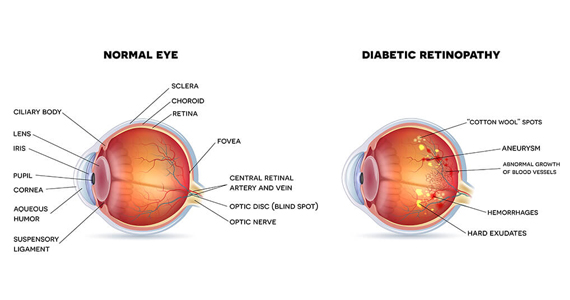
Small leaks and swellings appear in retinal vessels, usually with normal vision. Treatment here is mostly control of blood sugar, blood pressure and cholesterol, plus a repeat retina check every few months as advised.
Fragile new vessels grow and can bleed. Laser treatment is commonly used to shrink them and protect remaining vision. Doctors may also use anti-VEGF injections.
Swelling at the macula blurs reading vision. Anti-VEGF injections or laser are the usual treatments, and OCT scans are used to monitor progress.
Bleeding into the eye or scar tissue pulling on the retina may need vitrectomy surgery. Earlier treatment generally offers a better chance of keeping useful vision.
Please see the nearest emergency eye service immediately rather than waiting
Sudden pain with redness
A shower of new floaters or a dark curtain across the view
Sudden loss of vision in one eye
Eye Stem Cell Center also offers assessment for stem cell therapy in selected patients with advanced damage, as an experimental option alongside, never instead of, proven care.
Eye Stem Cell Center brings together pioneers in stem cell biotechnology and highly experienced ophthalmologists to provide advanced regenerative eye care with compassion and precision.
Dr. Pallavi is renowned for her expertise in cataract and corneal surgeries. With thousands of successful procedures, she combines surgical precision with a patient‑first approach.
Get ConsultationDr. Robin specializes in advanced cataract surgery, refractive procedures, and keratoconus treatment. His clinical excellence ensures patients receive world‑class eye care.
Get ConsultationDr. Pawan is an expert in retinal disorders, diabetic retinopathy, and advanced retina procedures. His patient‑focused approach ensures precise treatment and long‑term vision care.
Get ConsultationMost people with diabetes need a dilated eye examination at least once a year, or more often if retinopathy is already present.
It can slow progression and sometimes allow mild changes to settle. Established scarring does not reverse.
Numbing drops are used, so most people feel pressure rather than pain.



