Have any question? Call Us Now?

July 2026 - Eye Stem Cell Center
July 30, 2026
Optic Nerve Atrophy Treatment In India – Advanced Vision Care and Regenerative Treatment Options
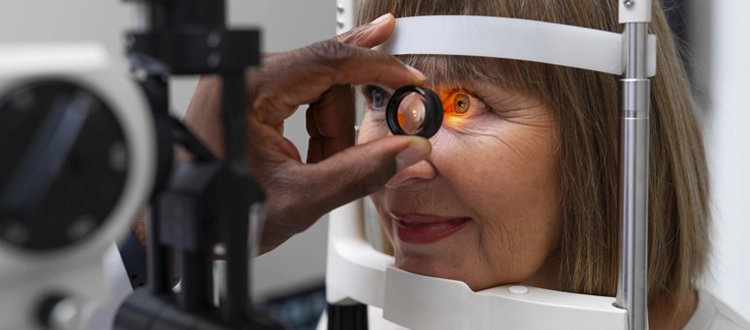
Optic Nerve Atrophy (ONA) is a serious eye condition that occurs when the optic nerve becomes damaged, leading to partial or complete loss of vision. Since the optic nerve carries visual signals from the eye to the brain, any damage to this vital structure can significantly affect eyesight. Although optic nerve damage is often permanent,
July 27, 2026
Eye Injury – Stem Cell Therapy for Eye: A Regenerative Approach to Vision Care
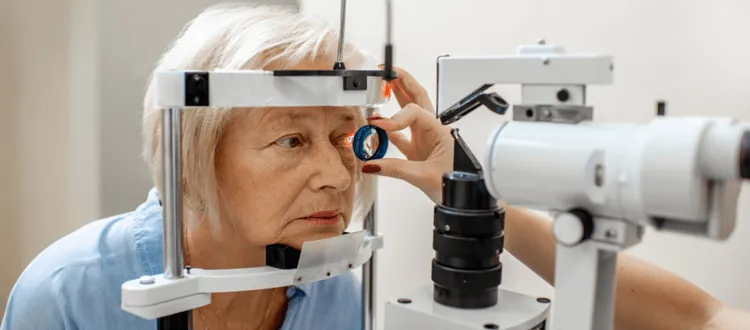
Eye injuries can occur suddenly and may affect vision temporarily or permanently, depending on the severity and the part of the eye involved. Injuries caused by accidents, chemical exposure, sports, workplace hazards, or trauma can damage the cornea, retina, optic nerve, or other delicate eye structures. While conventional treatments remain the standard of care for
July 25, 2026
Optic Nerve Hypoplasia – Causes, Symptoms, Diagnosis & Treatment Options
Optic Nerve Hypoplasia (ONH) is a congenital eye condition in which the optic nerve does not develop completely before birth. Because the optic nerve carries visual information from the eyes to the brain, an underdeveloped optic nerve can affect vision to varying degrees. Some individuals have mild visual impairment, while others may experience significant vision

July 22, 2026
Retinitis Pigmentosa Treatment In India – Advanced Eye Care & Regenerative Therapy Options
Retinitis Pigmentosa Treatment In India – Advanced Eye Care & Regenerative Therapy Options Retinitis Pigmentosa (RP) is a group of inherited retinal disorders that gradually damage the light-sensitive cells of the retina, leading to progressive vision loss. The disease usually begins with difficulty seeing in dim light and slowly affects peripheral vision before impacting central

July 17, 2026
Rod and Cone Dystrophy Treatment – Symptoms, Diagnosis & Advanced Care Options
Rod and Cone Dystrophy (RCD) is a rare inherited retinal disorder that gradually damages the retina’s photoreceptor cells, leading to progressive vision loss. The disease affects both rod cells, which are responsible for night and peripheral vision, and cone cells, which provide central vision, color perception, and visual clarity. Although there is currently no permanent
July 14, 2026
Stargardt’s or Macular Dystrophy – Causes, Symptoms, Diagnosis & Treatment Options
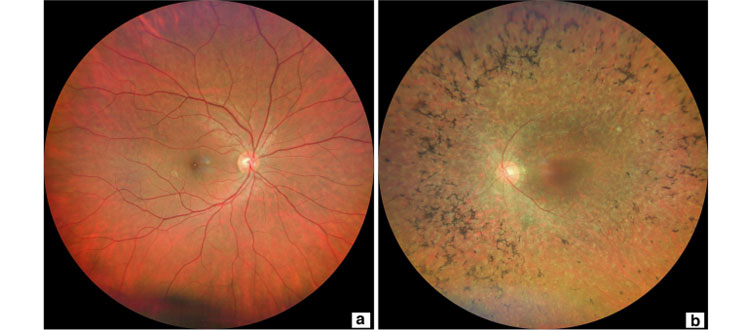
Stargardt’s Disease, commonly referred to as Stargardt’s Macular Dystrophy, is an inherited retinal disorder that primarily affects the macula—the central part of the retina responsible for sharp, detailed vision. It is one of the most common forms of juvenile macular degeneration and often begins during childhood, adolescence, or early adulthood. Although there is currently no
July 11, 2026
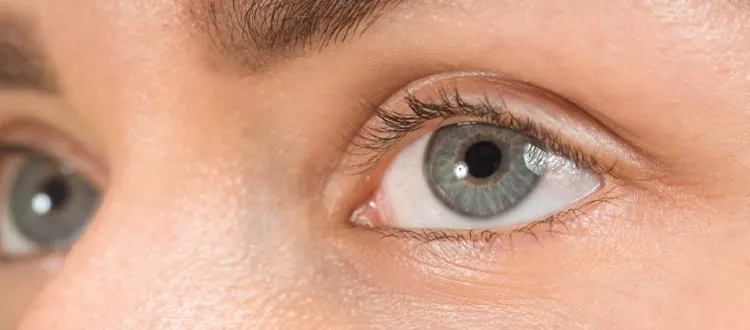
Optic Nerve Hypoplasia: Causes, Symptoms, Diagnosis, and Treatment Options
Optic Nerve Hypoplasia treatment in India (ONH) is a congenital eye condition in which the optic nerve is underdeveloped from birth. The optic nerve plays a vital role in transmitting visual signals from the retina to the brain. When it does not develop normally, vision may be affected to varying degrees. Some individuals experience only
July 07, 2026
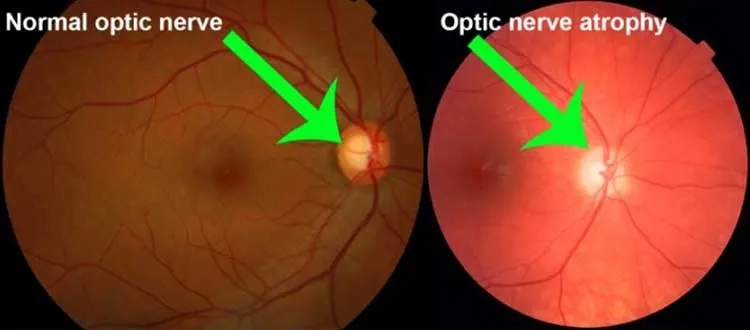
Optic Nerve Atrophy Treatment in India: Advanced Approaches to Vision Care
The optic nerve is one of the most important structures in the visual system, carrying signals from the retina to the brain. When this nerve becomes damaged, it can lead to a condition known as Optic Nerve Atrophy (ONA). The damage may result in reduced vision, loss of color perception, or even permanent vision impairment
July 05, 2026
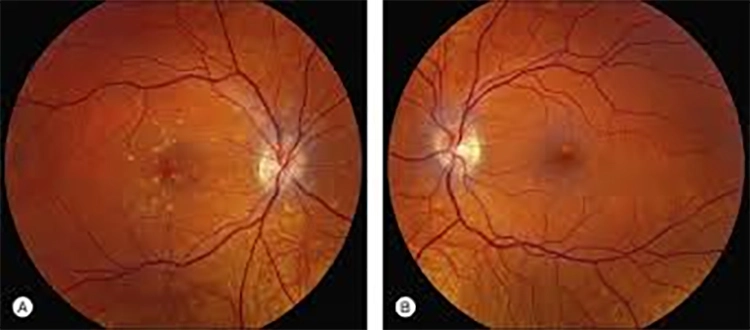
Stargardt’s Disease (Macular Dystrophy):, Symptoms, Diagnosis, and Treatment Causes Options
Stargardt’s Disease, commonly known as Stargardt’s Macular Dystrophy, is a rare inherited retinal disorder that primarily affects the macula—the central part of the retina responsible for sharp, detailed vision. The condition usually develops during childhood, adolescence, or early adulthood and gradually leads to a decline in central vision. While peripheral (side) vision often remains intact,

July 05, 2026
Macular Degeneration Treatment in India: Understanding Your Options for Better Vision Care
Macular degeneration is one of the most common causes of vision loss among older adults. The condition affects the macula, the central part of the retina responsible for sharp, detailed vision needed for reading, driving, and recognizing faces. As the disease progresses, central vision may gradually become blurred or distorted, making everyday activities more challenging.
