Have any question? Call Us Now?

Glaucoma Eye Disorder and Treatment: Protecting Your Vision with Early Care
July 03, 2026/ 0 comment
Glaucoma Eye Disorder and Treatment: Protecting Your Vision with Early Care
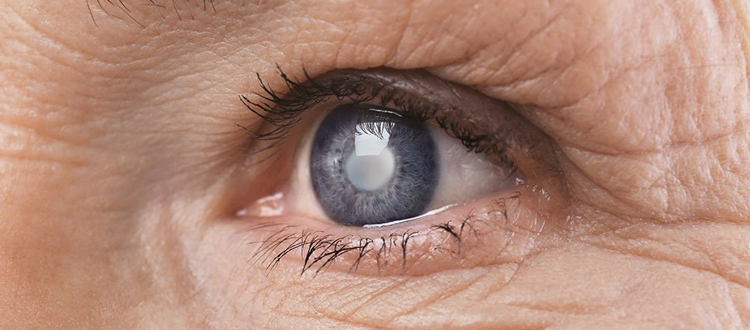
Glaucoma is one of the leading causes of irreversible vision loss worldwide. It is often called the “silent thief of sight” because it can gradually damage the optic nerve without causing noticeable symptoms in its early stages. Many people may not realize they have glaucoma until significant vision has already been lost. Fortunately, early diagnosis and appropriate treatment can help slow the progression of the disease and preserve vision.
What Is Glaucoma?
Glaucoma is a group of eye disorders that damage the optic nerve, which is responsible for transmitting visual information from the eye to the brain. In many cases, this damage is associated with increased intraocular pressure (IOP), although glaucoma can also occur in people with normal eye pressure.
If left untreated, glaucoma can gradually reduce peripheral (side) vision and, in advanced stages, may lead to permanent blindness.
Common Symptoms of Glaucoma
In its early stages, glaucoma usually develops without pain or obvious symptoms. As the condition progresses, patients may experience:
- Gradual loss of peripheral vision
- Blurred vision
- Eye pain or pressure (in some forms of glaucoma)
- Halos around lights
- Redness of the eye
- Severe headache and nausea in cases of acute angle-closure glaucoma
- Difficulty adjusting to low-light environments
Because symptoms may not appear until the disease has advanced, regular eye examinations are essential for early detection.
Causes and Risk Factors
Several factors can increase the risk of developing glaucoma, including:
- Increased eye pressure
- Age over 40 years
- Family history of glaucoma
- Diabetes
- High blood pressure
- Long-term use of corticosteroid medications
- Previous eye injury
- Severe nearsightedness or farsightedness
People with one or more of these risk factors should schedule routine comprehensive eye examinations.
Diagnosis of Glaucoma
An ophthalmologist may perform several tests to diagnose glaucoma, including:
- Measurement of intraocular pressure (tonometry)
- Optic nerve examination
- Visual field (peripheral vision) testing
- Optical Coherence Tomography (OCT)
- Corneal thickness measurement (pachymetry)
- Gonioscopy to evaluate the drainage angle
Early diagnosis allows treatment to begin before significant vision loss occurs.
Treatment Options for Glaucoma
Although vision already lost from glaucoma cannot usually be restored, treatment aims to slow or stop further damage to the optic nerve.
Common treatment options include:
- Prescription eye drops to lower eye pressure
- Oral medications when necessary
- Laser procedures to improve fluid drainage
- Surgical treatment for advanced or uncontrolled glaucoma
Researchers are also exploring regenerative medicine, including stem cell therapy, for its potential role in supporting optic nerve health. However, stem cell therapy remains an evolving area of research and should only be considered after careful evaluation by qualified medical specialists. It is not a guaranteed cure for glaucoma.
Protecting Your Vision
The best way to reduce the risk of glaucoma-related vision loss is through regular eye check-ups, especially for individuals with risk factors. Maintaining healthy blood pressure, controlling diabetes, avoiding smoking, and following prescribed treatments can also help protect long-term eye health.
With timely diagnosis and ongoing medical care, many people with glaucoma can continue to maintain useful vision throughout their lives.
Disclaimer: This article is for educational purposes only. Glaucoma treatment should always be guided by a qualified ophthalmologist. Individual treatment plans vary depending on the patient’s condition.
Frequently Asked Questions (FAQs)
1. What is glaucoma?
Glaucoma is a group of eye diseases that damage the optic nerve, often due to increased eye pressure, leading to progressive vision loss if left untreated.
2. Can glaucoma be cured?
Currently, glaucoma cannot usually be cured, but early treatment can help slow disease progression and protect remaining vision.
3. Who is at higher risk of glaucoma?
People over 40, those with a family history of glaucoma, diabetes, high eye pressure, previous eye injuries, or long-term steroid use have a higher risk.
4. Is glaucoma always associated with high eye pressure?
No. Some people develop normal-tension glaucoma, where optic nerve damage occurs despite normal intraocular pressure.
5. Can stem cell therapy treat glaucoma?
Stem cell therapy is being researched for glaucoma and optic nerve disorders, but it is still an evolving field. Its suitability depends on individual evaluation, and it should not be viewed as a guaranteed treatment
