Have any question? Call Us Now?

Corneal Stem Cell Therapy: Treating Limbal Stem Cell Deficiency with care
September 15, 2026/ 0 comment
Corneal Stem Cell Therapy: Treating Limbal Stem Cell Deficiency
Medically reviewed by Dr. Prashant Tyagi (Stem Cell Biotechnology Specialist, 10+ years) and Dr. Pallavee Senior Consultant | Ophthalmologist & Eye Surgeon 22+ Years Experience
Unlike many stem cell treatments still confined to research trials, corneal stem cell therapy for limbal stem cell deficiency (LSCD) is one of the few genuinely established, evidence-backed regenerative treatments in ophthalmology today. If you or a loved one has been told you have LSCD, here’s what it means and what treatment actually involves.
What Is Limbal Stem Cell Deficiency?
The limbus is a narrow ring of tissue at the border between the cornea (the eye’s clear front surface) and the sclera (the white of the eye). It houses a reservoir of stem cells responsible for constantly renewing and repairing the corneal surface. When these stem cells are damaged or destroyed, the cornea loses its ability to heal and maintain a healthy, clear surface — a condition called limbal stem cell deficiency.
Common Causes
- Chemical or thermal burns to the eye
- Severe infections
- Prolonged contact lens wear complications
- Certain autoimmune and inflammatory eye conditions (such as Stevens-Johnson syndrome or ocular cicatricial pemphigoid)
- Genetic conditions (such as aniridia-related keratopathy)
- Multiple prior eye surgeries
Symptoms
- Persistent pain, redness, and light sensitivity
- Blurred or cloudy vision
- Recurrent corneal erosions that won’t heal properly
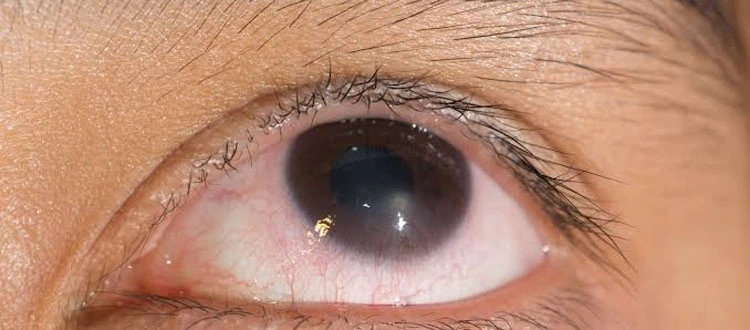
- Visible haziness or abnormal blood vessel growth across the cornea
How Limbal Stem Cell Transplantation Works
Depending on how much of the limbus is affected and whether one or both eyes are involved, several established surgical approaches exist:
- Conjunctival-limbal autograft (CLAU) – healthy limbal tissue is taken from the patient’s own unaffected eye (used when only one eye is affected)
- Living-related conjunctival-limbal allograft (lr-CLAL) – tissue donated by a genetically related family member
- Keratolimbal allograft (KLAL) – tissue from a deceased donor, used when both eyes are severely affected
- Cultivated limbal epithelial transplantation (CLET) – a small biopsy of healthy limbal tissue is expanded in a laboratory into a larger sheet of cells before transplantation, reducing how much healthy tissue needs to be taken from the donor eye
What the Evidence Shows
Unlike many experimental stem cell approaches, limbal stem cell transplantation has been studied in clinical use for several decades:
- Success rates for restoring a stable, clear corneal surface vary depending on the technique and underlying cause, but are generally favorable for well-selected patients, particularly when performed at experienced centers.
- Outcomes tend to be better when only one eye is affected (allowing use of the patient’s own healthy tissue) compared to cases requiring donor tissue, due to lower rejection risk.
- Long-term success often depends on managing the underlying cause (for example, controlling autoimmune inflammation) alongside the transplant itself.
What to Expect from Treatment
- A thorough evaluation to confirm LSCD and rule out other causes of corneal surface disease
- Discussion of the most appropriate transplantation technique based on your specific case
- Post-surgical management, often including anti-inflammatory or immunosuppressive medication (especially with donor tissue) to support graft survival
- Ongoing follow-up to monitor corneal surface health
The Bottom Line
Corneal stem cell therapy for limbal stem cell deficiency stands apart from many other stem cell applications — it’s a well-established, evidence-based treatment with decades of clinical use behind it. If you’re experiencing persistent corneal problems that aren’t healing, an evaluation by a cornea specialist can determine whether LSCD is the cause and whether stem cell transplantation is an appropriate option for you.
Medical & Government References
- National Eye Institute (NEI), NIH – Corneal Conditions and Research
- ClinicalTrials.gov (NIH) – registered studies on limbal stem cell transplantation
Related Readings
Stem Cell therapy for Eye Disease in India
Stargardt’s Disease in Young Adults: Understanding an Under-Diagnosed Condition
