
Sumit chrono
8 months ago


For a school-age child with optic nerve hypoplasia, the daily environment shapes success. A written plan gives teachers clear guidance.
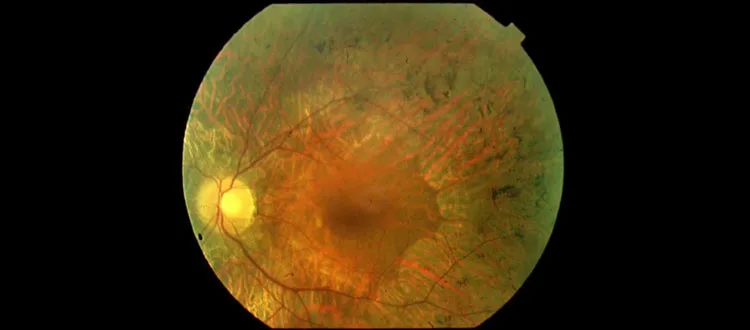
Many Canadian schools write an individual education plan for children with additional needs. For ONH it can state preferred seating, large or high-contrast materials, extra time for reading and permission to use devices. Ask your child’s eye specialist for a short letter describing functional vision rather than only a number.
Teachers of students with visual impairment can visit, assess the classroom and train staff.
Snow glare, shorter daylight and icy paths create extra challenges. Tinted lenses, bright clothing and clearly marked routes make play safer. Orientation and mobility training teaches children to move confidently on their own.
Encourage sport and outdoor play with simple adaptations, such as brightly coloured balls.
Keep up eye reviews for glasses and alignment, and continue paediatric and endocrine follow-up. Report unusual tiredness, poor growth or frequent illness to the paediatrician.
At each review.
If advised.
Tablets with adjustable text.
For safe travel.
Strengths and needs.
Away from glare.
Digital copies help.
Adjust as needed.
Eye Stem Cell Center brings together pioneers in stem cell biotechnology and highly experienced ophthalmologists to provide advanced regenerative eye care with compassion and precision.
Dr. Pallavi is renowned for her expertise in cataract and corneal surgeries. With thousands of successful procedures, she combines surgical precision with a patient‑first approach.
Get ConsultationDr. Robin specializes in advanced cataract surgery, refractive procedures, and keratoconus treatment. His clinical excellence ensures patients receive world‑class eye care.
Get ConsultationDr. Pawan is an expert in retinal disorders, diabetic retinopathy, and advanced retina procedures. His patient‑focused approach ensures precise treatment and long‑term vision care.
Get ConsultationOptic nerve hypoplasia, a smaller-than-usual optic nerve present from birth.
Usually yes, with adaptations and appropriate eye protection.
A teacher of students with visual impairment and the school’s support team.
Most do not, but a vision specialist can assess.
Often every six months in the early years.
No, and adjustable displays often help.


