
Sumit chrono
8 months ago


In a country this large, a retina specialist can be hundreds of kilometres away. Planning ahead and using remote services keeps follow-up on track.
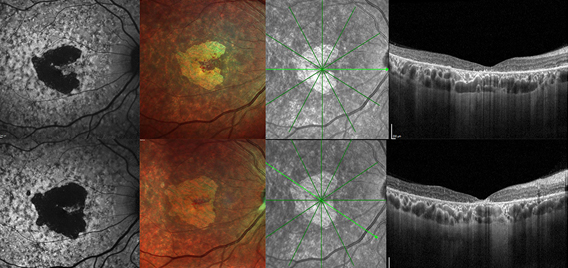
For someone in a northern, rural or island community, every visit may mean a flight or a long drive. That makes it important to book several tests into a single trip and to ask the clinic which results can be reviewed remotely.
Some programmes allow a local optometrist to take OCT images that are then read by a retina specialist elsewhere.
Macular dystrophies vary in onset and speed. Best disease often shows up in childhood, pattern dystrophy in midlife, and cone-rod types may also affect colour and side vision. Your report should state the type. If it does not, ask.
Yearly repeat imaging reveals gradual change that is hard to spot at a single visit.
Vision rehabilitation services can provide reading aids, lighting advice and training. Many employers can adjust screen settings and provide larger monitors. Ask your eye doctor for a letter that explains functional needs.
Annual OCT, sometimes more often.
Some types develop abnormal vessels.
Skills and equipment.
For families.
One trip, several scans.
For routine checks.
Note vision changes.
Send copies to every clinician.
Eye Stem Cell Center brings together pioneers in stem cell biotechnology and highly experienced ophthalmologists to provide advanced regenerative eye care with compassion and precision.
Dr. Pallavi is renowned for her expertise in cataract and corneal surgeries. With thousands of successful procedures, she combines surgical precision with a patient‑first approach.
Get ConsultationDr. Robin specializes in advanced cataract surgery, refractive procedures, and keratoconus treatment. His clinical excellence ensures patients receive world‑class eye care.
Get ConsultationDr. Pawan is an expert in retinal disorders, diabetic retinopathy, and advanced retina procedures. His patient‑focused approach ensures precise treatment and long‑term vision care.
Get ConsultationPart of it, but scans and measurements usually need an in-person visit.
Ask about shared care with a local optometrist.
Pattern dystrophy is among the more common adult types.
It is helpful for confirming the type and for relatives.
Only certain complications.
Ask your rehabilitation service about programmes in your province.



