
Sumit chrono
8 months ago


Diabetes and glaucoma are both common, and both can quietly harm the optic nerve. Regular screening is the simplest protection.
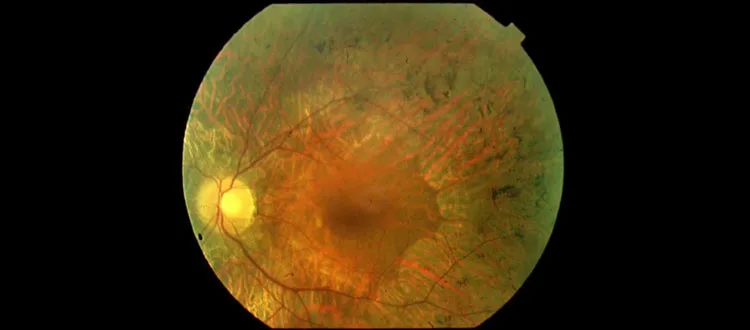
Diabetes, high blood pressure, high short-sightedness, a family history of glaucoma and long-term steroid use all raise the chance of nerve damage. Many adults in the UAE have at least one of these, yet attend an eye clinic only when a problem is obvious.
Glaucoma gives little warning. The side field narrows first, and central sight stays sharp until late.
Pressure measurement, a look at the nerve head, a drainage-angle check, a visual field test and OCT of the nerve fibre layer form the usual set. Repeating them tells doctors whether the nerve is stable or slipping.
Sudden causes such as optic neuritis or a blood-flow blockage need same-day assessment, sometimes with MRI and blood tests.
Pressure-lowering drops work only when used every day. Link them to a fixed routine, and tell your doctor about stinging or redness instead of stopping.
First line for glaucoma.
If drops are not enough.
For some nerve inflammation.
Blood sugar and blood pressure.
Fields and OCT every few months.
Relatives may carry risk.
Never skip doses.
Side effects can usually be managed.
Eye Stem Cell Center brings together pioneers in stem cell biotechnology and highly experienced ophthalmologists to provide advanced regenerative eye care with compassion and precision.
Dr. Pallavi is renowned for her expertise in cataract and corneal surgeries. With thousands of successful procedures, she combines surgical precision with a patient‑first approach.
Get ConsultationDr. Robin specializes in advanced cataract surgery, refractive procedures, and keratoconus treatment. His clinical excellence ensures patients receive world‑class eye care.
Get ConsultationDr. Pawan is an expert in retinal disorders, diabetic retinopathy, and advanced retina procedures. His patient‑focused approach ensures precise treatment and long‑term vision care.
Get ConsultationLost fibres seldom regrow, so treatment aims to stop further loss.
It can, directly and through glaucoma and blood-flow problems.
People with family history, diabetes, high myopia or steroid use.
It often improves but needs assessment for underlying causes.
Commonly every three to six months once diagnosed.
That depends on measured field and local rules.


