
Sumit chrono
8 months ago


Early and intermediate AMD offer the most room for prevention. The steps that help are mostly practical and start well before any injection.
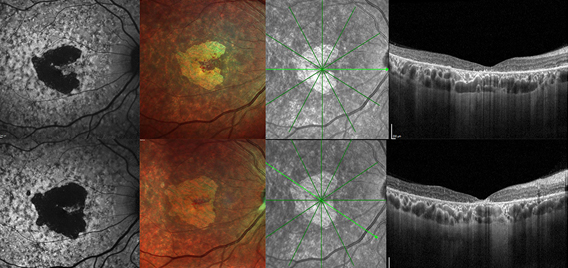
Early AMD shows small drusen and often no symptoms. Intermediate AMD brings larger deposits and a higher chance of progression. Late AMD takes two forms: geographic atrophy, with spreading cell loss, or wet AMD with leaking vessels.
Your report should state your stage. Ask for it in writing.
Large studies found that a specific vitamin and mineral formula, often called AREDS2, lowered the chance of progression in people with intermediate AMD or advanced disease in one eye. It does not help everyone, so ask your doctor before starting. Leafy greens, fish and a varied diet support general eye health.
Quitting tobacco is one of the most effective steps you can take.
Provincial licensing rules depend on measured vision and field. If you notice difficulty with night driving, glare or reading road signs, discuss it with your eye doctor. Large-print materials, better lighting and talking devices keep daily tasks manageable.
Early disease.
Selected intermediate cases.
Wet disease.
Late stages.
Slows progression.
Greens, colourful vegetables.
Helps eye circulation.
Wear sunglasses.
Eye Stem Cell Center brings together pioneers in stem cell biotechnology and highly experienced ophthalmologists to provide advanced regenerative eye care with compassion and precision.
Dr. Pallavi is renowned for her expertise in cataract and corneal surgeries. With thousands of successful procedures, she combines surgical precision with a patient‑first approach.
Get ConsultationDr. Robin specializes in advanced cataract surgery, refractive procedures, and keratoconus treatment. His clinical excellence ensures patients receive world‑class eye care.
Get ConsultationDr. Pawan is an expert in retinal disorders, diabetic retinopathy, and advanced retina procedures. His patient‑focused approach ensures precise treatment and long‑term vision care.
Get ConsultationA formula of vitamins, minerals and carotenoids tested in a large eye-disease study.
No, only certain stages, and your doctor should advise.
It may lower risk but not guarantee protection.
Only if you fall below the vision standard set by your province.
Genes contribute, but lifestyle matters too.
Use a weekly Amsler grid check.



