
Sumit chrono
8 months ago


Two very different problems dominate: glaucoma, which is silent, and optic neuritis, which is sudden. Each calls for a different response.
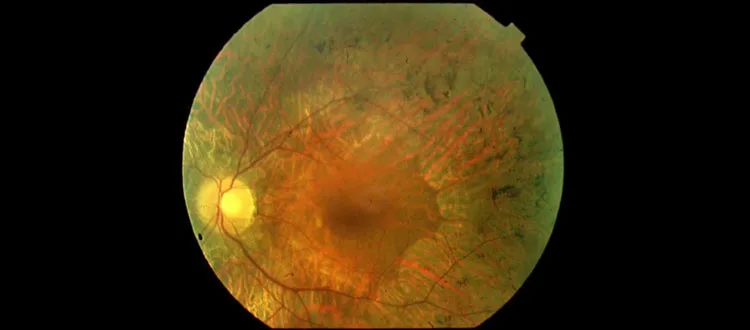
Pressure inside the eye, thin corneas, family history and age all raise the risk. Side vision narrows first, so people often notice nothing until much has been lost. Regular eye exams, with pressure checks and a look at the nerve, are the best protection for anyone with a relative who has glaucoma.
Treatment aims to lower pressure with drops, laser or surgery.
Optic neuritis causes pain with eye movement and a sudden drop in vision, usually in one eye and often in younger adults. Canada has one of the world’s higher rates of multiple sclerosis, and optic neuritis can be its first sign. For that reason an MRI of the brain is often arranged.
Most people recover much of their sight over weeks, but follow-up matters.
Control blood pressure and blood sugar, avoid tobacco and keep follow-up visits. If drops sting or cause redness, tell your doctor rather than stopping them.
First step in glaucoma.
For those who need more.
Specialist-guided.
To look for related conditions.
Fields and OCT.
Family screening helps.
Use reminders.
Do not wait.
Eye Stem Cell Center brings together pioneers in stem cell biotechnology and highly experienced ophthalmologists to provide advanced regenerative eye care with compassion and precision.
Dr. Pallavi is renowned for her expertise in cataract and corneal surgeries. With thousands of successful procedures, she combines surgical precision with a patient‑first approach.
Get ConsultationDr. Robin specializes in advanced cataract surgery, refractive procedures, and keratoconus treatment. His clinical excellence ensures patients receive world‑class eye care.
Get ConsultationDr. Pawan is an expert in retinal disorders, diabetic retinopathy, and advanced retina procedures. His patient‑focused approach ensures precise treatment and long‑term vision care.
Get ConsultationLost fibres seldom regrow, so care aims to stop further loss.
Not always, but an assessment for it is usually done.
People with a family history, diabetes, high myopia or steroid use, and everyone as they age.
The common type is painless, which is why it is missed.
Often every three to six months after diagnosis.
Yes, though it is more common after forty.


