
Sumit chrono
8 months ago


From hockey pucks to icy roads, head and facial injuries are common in Canada. Some of them harm the optic nerve, and a few lead to lasting loss.
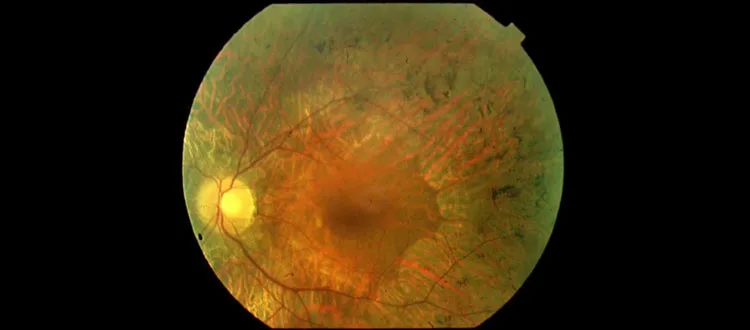
A direct blow to the brow or temple, a fall on ice, a collision or a facial fracture can bruise or press on the optic nerve. Vision can fall within hours, sometimes with a pupil that reacts poorly. Emergency assessment is the first priority.
Glaucoma damages the nerve in a slower, quieter way and is far more common than trauma.
Many people with concussion have eye-focusing or tracking problems that improve with time and therapy. These are different from true optic nerve loss. A thorough exam sorts one from the other, which matters because treatment and outlook differ.
Teams are studying whether cells can protect surviving fibres or release helpful factors. Evidence in people is thin, and no study has shown reliable restoration of sight. Anyone offering treatment should show a protocol, safety data and a clear measure of benefit.
Imaging and pressure checks.
Drops, laser or surgery.
For focusing problems.
When vision is stable.
And how the injury occurred.
CT, MRI and OCT.
Compare over months.
Including steroids.
Eye Stem Cell Center brings together pioneers in stem cell biotechnology and highly experienced ophthalmologists to provide advanced regenerative eye care with compassion and precision.
Dr. Pallavi is renowned for her expertise in cataract and corneal surgeries. With thousands of successful procedures, she combines surgical precision with a patient‑first approach.
Get ConsultationDr. Robin specializes in advanced cataract surgery, refractive procedures, and keratoconus treatment. His clinical excellence ensures patients receive world‑class eye care.
Get ConsultationDr. Pawan is an expert in retinal disorders, diabetic retinopathy, and advanced retina procedures. His patient‑focused approach ensures precise treatment and long‑term vision care.
Get ConsultationSome swelling-related loss improves, but lost fibres rarely return.
It can in severe cases, but most concussion vision problems are functional.
Yes, face and eye protection lower the chance of injury.
Treatment can stop further loss but cannot restore what is gone.
Straight away for any sudden loss.
No, they remain experimental.


