
Sumit chrono
8 months ago


Once the diagnosis is clear, daily life becomes the main focus. Small adjustments at school and home often matter more than any single clinic visit.
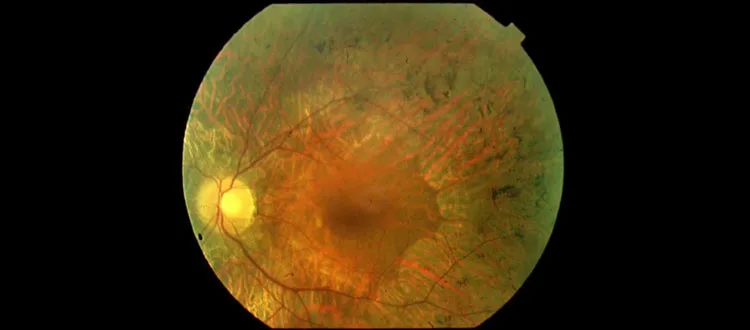
Share a short written summary with teachers: what the child sees best, which side is stronger, how glare or crowded pages affect them and which seat helps. Bilingual classrooms add visual demands, because children switch between Arabic and English text.
Request large, spaced print, matte paper and good lighting. These help any child but are essential for one with reduced vision.
Some children turn the head to place the best part of their field in view. This is a useful strategy, not a habit to correct. Vision specialists can teach scanning methods and recommend aids such as bold-lined paper or tablet apps with adjustable contrast.
Regular eye reviews check glasses, eye alignment and any change in vision.
Continue paediatric and hormone follow-up as advised. Illness, fatigue or poor growth should be reported, because associated hormone differences may need adjustment.
Updated at regular visits.
If advised for amblyopia.
Magnifiers, tablets.
Coordinated with the school.
Strengths and needs.
Near the board, away from glare.
Digital copies help.
Adjust as needs change.
Eye Stem Cell Center brings together pioneers in stem cell biotechnology and highly experienced ophthalmologists to provide advanced regenerative eye care with compassion and precision.
Dr. Pallavi is renowned for her expertise in cataract and corneal surgeries. With thousands of successful procedures, she combines surgical precision with a patient‑first approach.
Get ConsultationDr. Robin specializes in advanced cataract surgery, refractive procedures, and keratoconus treatment. His clinical excellence ensures patients receive world‑class eye care.
Get ConsultationDr. Pawan is an expert in retinal disorders, diabetic retinopathy, and advanced retina procedures. His patient‑focused approach ensures precise treatment and long‑term vision care.
Get ConsultationOptic nerve hypoplasia, a smaller-than-usual optic nerve present from birth.
Some do. A vision assessment can guide this.
Reduced vision may make some movements harder, so early therapy helps.
Many cases involve both eyes, but severity can differ.
Often every six months in early years, as advised.
Moderate use is fine. Large, high-contrast displays can help.


