
Sumit chrono
8 months ago


Optic atrophy is a sign, not a diagnosis. The most useful step is finding what is damaging the nerve and stopping it if possible.
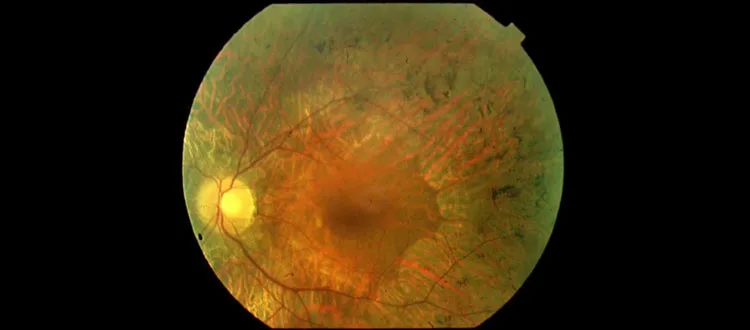
Optic atrophy means nerve fibres have been lost and the disc looks pale on examination. Causes include earlier optic neuritis, raised pressure inside the head, poor blood supply, glaucoma, tumours near the nerve, inherited conditions and toxic effects of some medicines.
Doctors therefore ask about vitamin intake, alcohol, tobacco, current prescriptions and family history before choosing tests.
OCT measures the nerve fibre layer, which thins as atrophy progresses. Visual fields show where sight is lost. Colour vision tests are sensitive to nerve problems, and visual evoked potentials record signal speed. MRI is ordered when a compressive cause is suspected.
Blood tests may look for low vitamin B12, thyroid problems or inflammatory markers.
If you take medicines on a fixed schedule, tell your doctor if your eating pattern changes during Ramadan. Timing can often be adjusted safely, but do not stop anything without advice. Some drugs, such as ethambutol used for tuberculosis, need eye monitoring.
Control glaucoma, replace deficient vitamins.
Change a harmful medicine with medical advice.
For neuritis, as directed by a neurologist.
When damage is already fixed.
Detects further thinning.
Include supplements.
Helps nerve blood supply.
It harms the nerve directly.
Eye Stem Cell Center brings together pioneers in stem cell biotechnology and highly experienced ophthalmologists to provide advanced regenerative eye care with compassion and precision.
Dr. Pallavi is renowned for her expertise in cataract and corneal surgeries. With thousands of successful procedures, she combines surgical precision with a patient‑first approach.
Get ConsultationDr. Robin specializes in advanced cataract surgery, refractive procedures, and keratoconus treatment. His clinical excellence ensures patients receive world‑class eye care.
Get ConsultationDr. Pawan is an expert in retinal disorders, diabetic retinopathy, and advanced retina procedures. His patient‑focused approach ensures precise treatment and long‑term vision care.
Get ConsultationLost nerve fibres do not usually come back, but treating the cause can prevent further loss.
Yes, particularly B12 and folate deficiency in some people.
Some forms are, such as dominant optic atrophy and Leber’s.
They fix focus but not nerve damage.
It varies widely by cause.
Sometimes, depending on the cause.


