Have any question? Call Us Now?

Macular Degeneration Treatment in India: How Stem Cell Therapy
September 30, 2026/ 0 comment
Macular Degeneration Treatment in India: How Stem Cell Therapy Supports Aging Eyes
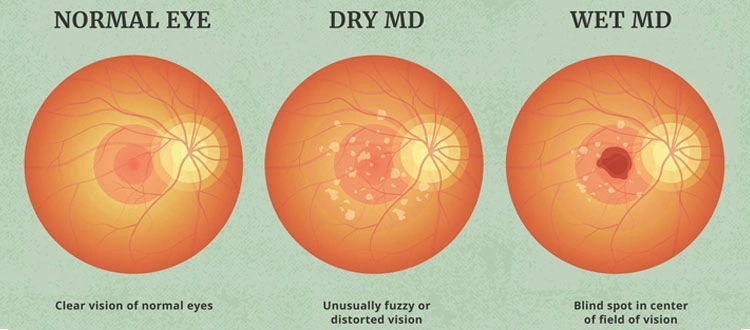
Age-related macular degeneration (AMD) is the leading cause of severe vision loss in people over 55 in the developed world, gradually affecting central vision needed for reading, driving, and recognizing faces. While conventional treatments like anti-VEGF injections help manage wet AMD, dry AMD — the more common form — still has no approved cure, pushing researchers and patients alike toward regenerative options.
Understanding Macular Degeneration
AMD damages the macula, the part of the retina responsible for sharp, central vision. The National Eye Institute (NEI), part of the NIH, notes that the risk of AMD increases significantly after age 60, and funds extensive ongoing research — including the long-running Age-Related Eye Disease Study (AREDS) — into its causes, prevention, and emerging treatments.
How Stem Cell Therapy Fits In
Much of the current scientific interest centers on regenerating or replacing the retinal pigment epithelium (RPE) — the support layer beneath the retina that deteriorates in AMD. Clinical research reviews describe early-stage trials using stem cell-derived RPE cells, showing preliminary signs of success such as modest vision improvements and evidence of transplant integration in some patients, alongside real limitations like limited long-term cell survival and the need for careful patient selection.
What to Realistically Expect
- Stem cell therapy for AMD remains investigational, not a guaranteed vision restoration. It’s generally explored as a way to support remaining retinal tissue and potentially slow further degeneration, especially in dry AMD.
- Outcomes vary significantly depending on disease stage, duration, and the extent of RPE and photoreceptor loss already present.
- Treatment should always follow a comprehensive retinal evaluation, including OCT imaging and visual function testing.
What a Good Specialist Will Tell You
A responsible eye specialist will clearly separate what’s proven (anti-VEGF therapy for wet AMD, AREDS-formula supplements for disease progression) from what’s still experimental (stem cell-based regenerative approaches), and will set expectations accordingly rather than promising reversal of vision loss.
Why Patients Consider India
India offers access to experienced retina specialists, modern diagnostic facilities, and considerably more affordable treatment and evaluation costs than many Western countries — an important factor for older patients often managing AMD alongside other age-related health needs.
Medical & Government References:
- National Eye Institute (NEI), NIH — Age-Related Macular Degeneration
- NCBI/PMC (NIH) — Concise Review: Update on Retinal Pigment Epithelium Transplantation for Age-Related Macular Degeneration
