Have any question? Call Us Now?

Diabetic Retinopathy Treatment with Stem Cell, Enhance Your Understanding of Diabetes Retinopathy Issues
October 24, 2025/ 0 comment
Diabetic Retinopathy Treatment with Stem Cell, Enhance Your Understanding of Diabetes Retinopathy Issues
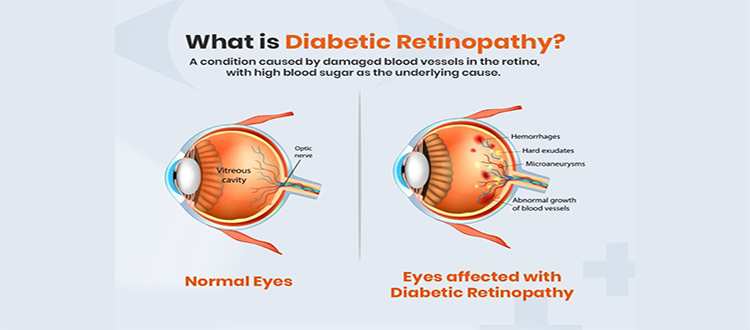
Diabetic retinopathy refers to a disorder that results from blood sugar levels damaging the minute blood vessels of the retina. Largely classified under proliferative retinopathy, it is one of the common causes of blindness and vision loss in people with diabetes. Nevertheless, the ailment is commonly acquired in various degrees ranging from mild non-proliferative to the very proliferative conditions. Improper management of the disease may lead to retinal detachment, macular oedema and severe loss of vision. Why Early Diagnosis Matters?
Since diabetic retinopathy has no symptoms in its early stages, early detection is important. Timely diagnosis and treatment on the part of the eye specialist are aided by regular eye checkups. Blurring of vision, floaters, night blindness or even sudden visual loss in the late stage of the disorder may be experienced by the patient. So, early detection of such symptoms may stop the damage from becoming more deadly.
Conventional Treatment Approaches
Conventional treatment options for diabetic retinopathy consist of:
- Laser Photocoagulation Treatment – to seal the leaking blood vessels and control the swelling.
- Anti-VEGF Injections – Reduce abnormal blood vessel growth in the retina.
- Vitrectomy Surgery – done in advanced cases to remove blood and scar tissue.
However, even when these medications and procedures stave off the illness or slow its advancement, they might not repair the damage to the retina or restore vision that has been lost.
Stem Cell Therapy: A Regenerative Therapy
Stem cell therapy is gaining more and more importance as a potential treatment option in retinal regeneration. Stem cells can be differentiated into retinal cells, which enables them to have the ability to repair impaired tissues and restore visual function. For diabetic retinopathy, this therapy targets:
- The retinal cells in your eye are the specialised cells that process light. Healthy, functional cells to replace the damaged cells caused by retinal disease.
- Stimulate the regrowth of the blood vessels.
- Decrease retinal inflammation and oxidative stress.
- Slow down or stop disease progression at the cellular level.
Conventional therapies are aimed at symptom management, but stem cell therapy treats the source of the problem.
How Procedure Work?
Stem cell therapy involves harvesting your own stem cells from a tissue such as bone marrow or fat, then injecting those cells into your affected eye) You can read more about it at our Stem Cell page. These stem cells are then carefully processed under strict protocols and reintroduced to the eye. They merge with the native tissue and promote regeneration. Such treatment may be executed through hospital admission or as a non-invasive or outpatient procedure. Treatment plans are individualised based on disease severity and overall health.
Advantages and Considerations
Benefits:
- Promotes retinal repair and regeneration.
- It could bring back/improve sight in some patients.
- Minimally invasive procedure with a quicker recovery.
- It may be used in conjunction with traditional therapies to produce even better results.
Considerations:
- The results may vary between patients.
- A complete medical work-up is necessary before treatment.
- Frequent follow-up is required to assess the long-term results.
Future Perspective of Stem Cell Therapy for Diabetic Retinopathy
Towards the future Stem Cell treatment of diabetic retinopathy: regenerative medicine. Current research is focused on improving the stem cell methodology, making it safer and more effective. With ongoing clinical advances, it may become a mainstay in vision preservation and restoration for the millions at risk from diabetes-related eye disease.
For more information and professional advice go to Eyestemcellcenter.com.
