
Sumit chrono
8 months ago


There is no single treatment for optic nerve atrophy, because the label describes the end result of many different problems. The most useful step is to find out why the nerve was damaged. This page explains how that investigation works and what can be done for each cause.
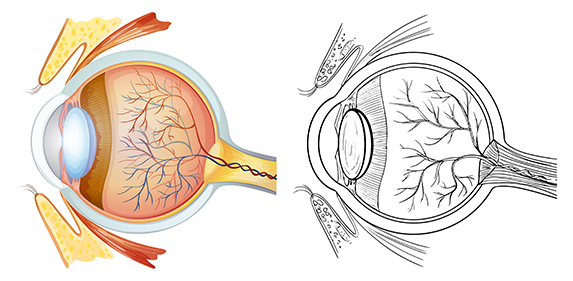
Optic nerve atrophy is a sign, not a diagnosis. A tumour pressing on the nerve, inflammation, poor blood supply and an inherited condition all lead to the same appearance but need completely different care.
If fibres have already been lost, current medicine cannot regrow them. The goal then becomes protecting what remains and preventing further damage.
Here is how the search for the cause usually runs in Canada.
Treatment is matched to what is found.
Surgery or radiotherapy for compression, and medicines such as steroids for inflammation, guided by neurology.
Lowering eye pressure with drops, laser or surgery to protect remaining fibres.
Control of blood pressure, diabetes and cholesterol to lower the risk of repeat events.
Correcting deficiencies, stopping harmful agents, or monitoring and counselling for inherited forms.
Support and honest information matter most at this stage.
Identifies the aids and techniques that suit your remaining vision.
Simple changes at home and work make tasks easier.
Services such as CNIB can provide devices and instruction.
Stem cell therapy for optic nerve atrophy is not approved in Canada. Stem cell therapy is still an experimental treatment. It is not approved by Health Canada or the US FDA for these conditions, and results differ from person to person. We cannot promise any particular outcome.
Eye Stem Cell Center brings together pioneers in stem cell biotechnology and highly experienced ophthalmologists to provide advanced regenerative eye care with compassion and precision.
Dr. Pallavi is renowned for her expertise in cataract and corneal surgeries. With thousands of successful procedures, she combines surgical precision with a patient‑first approach.
Get ConsultationDr. Robin specializes in advanced cataract surgery, refractive procedures, and keratoconus treatment. His clinical excellence ensures patients receive world‑class eye care.
Get ConsultationDr. Pawan is an expert in retinal disorders, diabetic retinopathy, and advanced retina procedures. His patient‑focused approach ensures precise treatment and long‑term vision care.
Get ConsultationIt depends on the cause. Treating a reversible cause early can preserve vision, but lost fibres do not regrow.
An ophthalmologist first, and a neuro-ophthalmologist or neurologist if the cause is unclear or neurological.
Some forms are, such as LHON and dominant optic atrophy. Genetic testing and counselling can clarify risk for relatives.



