Have any question? Call Us Now?

Blog
June 15, 2026
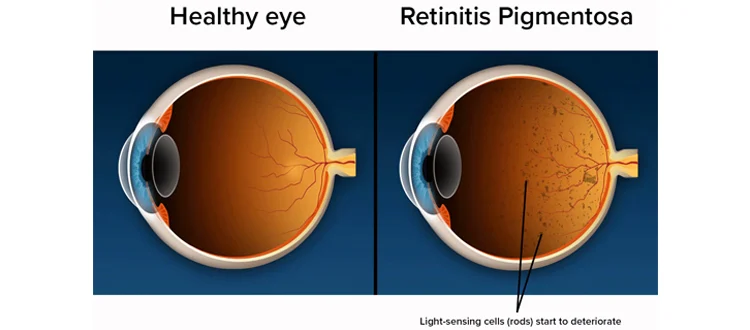
Stem Cell Therapy for Retinitis Pigmentosa: Understanding Emerging Eye Care Approaches
Retinitis Pigmentosa (RP) is a progressive eye condition that affects the retina and may gradually influence vision over time. Patients and families often seek information about available care options and emerging developments in ophthalmology. Regenerative medicine has become an area of growing interest as researchers continue exploring future possibilities in vision care. What Is Retinitis
June 14, 2026
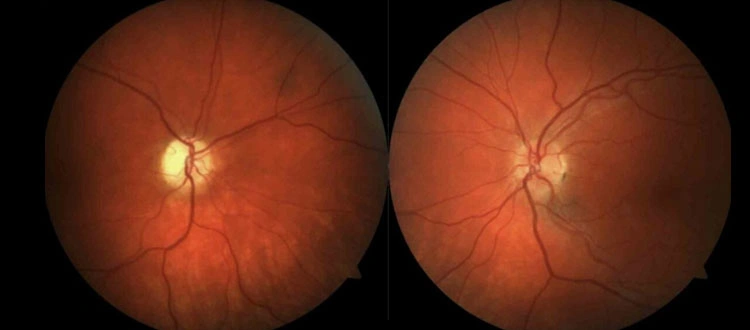
Stem Cell Therapy for Optic Atrophy: Understanding Treatment Evaluation and Vision Care
Optic Atrophy is a condition that occurs when the optic nerve becomes damaged and loses its ability to efficiently transmit visual signals from the eyes to the brain. Since the optic nerve plays a critical role in vision, damage may affect visual clarity, color perception, and overall visual performance. Patients diagnosed with optic atrophy often

June 11, 2026
Eye Injury and Vision Recovery: Exploring the Role of Regenerative Medicine
Eye injuries can range from mild irritation to more complex conditions affecting vision and quality of life. Recovery depends on the type of injury, affected structures, and timing of medical care. As regenerative medicine develops, stem cell-based approaches continue to be studied as part of supportive treatment strategies in selected cases. Understanding Eye Injury Eye
June 08, 2026
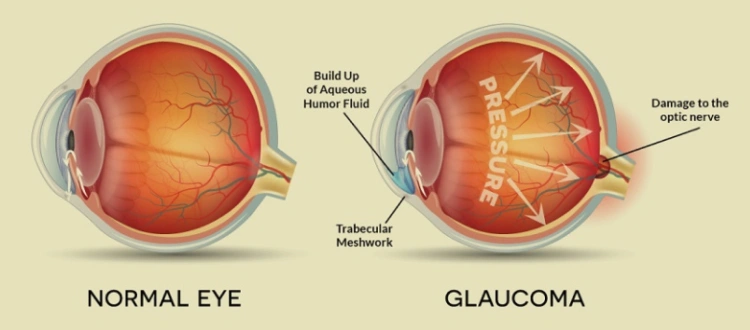
Stem Cell Therapy for Optic Nerve Damage: Understanding Emerging Regenerative Approaches
Vision loss caused by optic nerve damage can significantly affect daily life and independence. While conventional treatments may help manage underlying causes in certain cases, regenerative medicine continues to explore additional approaches that may support patient care. Stem cell therapy is one of the areas receiving attention in ophthalmology research. This article explains optic nerve
June 06, 2026
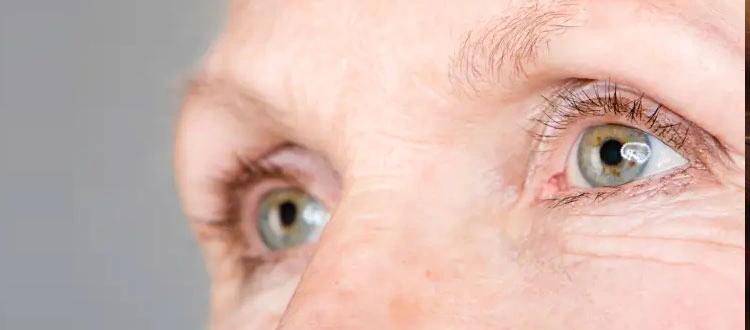
Understanding the Patient Experience: What Happens During a Stem Cell Eye Treatment Journey
Patients considering advanced eye care often focus on the treatment itself while overlooking the importance of evaluation, preparation, and long-term monitoring. At Eye Stem Cell Center, patient care is designed as a complete journey rather than a single procedure. Step 1: Initial Medical Consultation Treatment discussions begin with understanding: Eye condition history Previous interventions Current

June 04, 2026
Rethinking Vision Support: The Growing Interest in Regenerative Eye Care in India
Vision health influences independence, mobility, education, and everyday life. As regenerative medicine develops, patients increasingly seek information about advanced approaches being explored within ophthalmology. At Eye Stem Cell Center, patients explore regenerative eye care through structured evaluations and personalized treatment discussions. What Is Regenerative Eye Care? Regenerative ophthalmology focuses on studying approaches that support eye

May 30, 2026
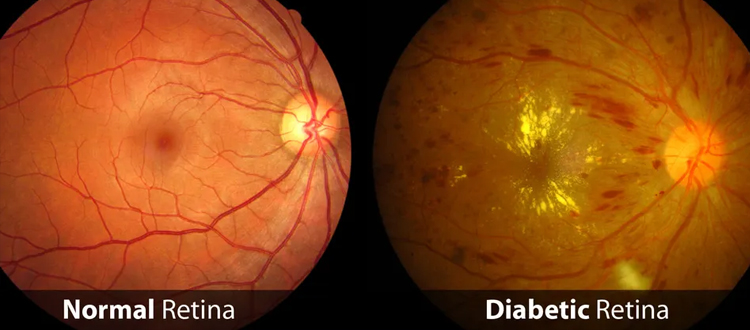
Seeing the Future Differently: Understanding Stem Cell Treatment Approaches for Diabetic Retinopathy
Diabetic retinopathy remains one of the most discussed diabetes-related eye conditions worldwide. Early diagnosis and long-term management continue playing an important role in protecting vision. At Eye Stem Cell Center, patients explore regenerative eye care options through specialized evaluation and personalized ophthalmic treatment planning. What Is Diabetic Retinopathy? Diabetic retinopathy develops when long-term changes associated
May 29, 2026
A New Perspective way to Eye Vision: Exploring Stem Cell Therapy for Eye Conditions in India
Vision-related conditions can affect independence, daily activities, and long-term quality of life. As regenerative medicine advances, patients are increasingly exploring supportive treatment options that may complement broader eye care planning. At Eye Stem Cell Center, patients explore regenerative eye care through individualized medical evaluation and structured ophthalmic support. What Is Stem Cell Therapy in Eye
May 27, 2026
Looking Beyond Traditional Care: Stem Cell Treatment Injections for Diabetic Retinopathy in India
Diabetic retinopathy is one of the leading causes of vision impairment among individuals living with diabetes. Over time, high blood sugar levels can damage the small blood vessels in the retina, affecting vision and increasing the risk of severe eye complications. As awareness of regenerative medicine grows, many patients are now exploring stem cell treatment

May 25, 2026
Exploring Stem Cell Therapy for Eye Diseases in India
Vision plays a vital role in everyday life, yet millions of people worldwide struggle with eye diseases that gradually affect their sight and independence. Conditions involving retinal damage, optic nerve degeneration, or chronic eye disorders can significantly impact quality of life. As regenerative medicine continues evolving, many patients are now exploring stem cell therapy for