Have any question? Call Us Now?

Stem Cell Therapy for Optic Nerve Damage: Understanding Emerging Regenerative Approaches
June 08, 2026/ 0 comment
Stem Cell Therapy for Optic Nerve Damage: Understanding Emerging Regenerative Approaches
Vision loss caused by optic nerve damage can significantly affect daily life and independence. While conventional treatments may help manage underlying causes in certain cases, regenerative medicine continues to explore additional approaches that may support patient care.
Stem cell therapy is one of the areas receiving attention in ophthalmology research. This article explains optic nerve damage, how stem cell-based approaches are being studied, and what patients should know before exploring treatment options.
What Is Optic Nerve Damage?
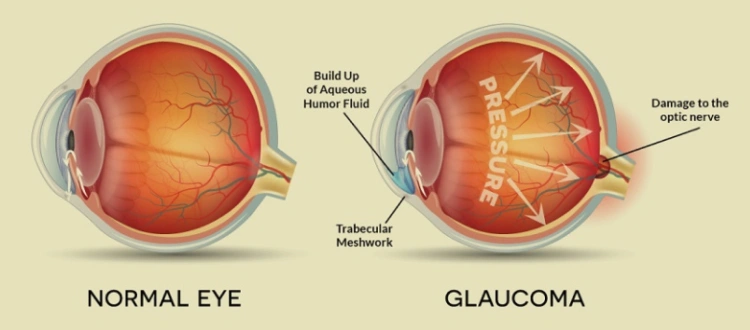
The optic nerve carries visual information from the eye to the brain. When damage occurs, communication between the eye and brain may become disrupted, potentially leading to partial or severe vision impairment.
Optic nerve damage may be associated with:
- Optic neuropathy
- Eye injury
- Reduced blood supply
- Inflammatory conditions
- Certain inherited eye disorders
- Pressure-related eye conditions
The severity and progression vary from person to person.
What Is Stem Cell Therapy in Eye Care?
Stem cell therapy is part of regenerative medicine that studies how specialized cells may support repair mechanisms and biological processes.
In ophthalmology, researchers continue exploring whether stem cell-based approaches may assist supportive treatment strategies for selected patients under clinical evaluation.
How the Treatment Journey May Work
Comprehensive Eye Assessment
Patients generally undergo review of vision history, imaging reports, and specialist evaluation.
Eligibility Evaluation
Not every patient may qualify for treatment. Doctors assess medical history and eye condition before recommendations.
Treatment Planning
An individualized approach may be designed based on clinical findings.
Follow-Up and Monitoring
Recovery and observation periods differ depending on the patient profile.
Who May Explore Specialist Evaluation?
Patients experiencing progressive vision challenges or limited improvement from conventional management sometimes seek specialist consultations to understand available options.
A professional evaluation remains essential before considering regenerative approaches.
Important Considerations Before Treatment
Before making decisions, patients should ask:
- What is the goal of treatment?
- What improvements are realistically expected?
- Are there limitations?
- What monitoring will be required?
- What supporting therapies may also be recommended?
Final Thoughts
Stem cell research in eye care continues to evolve. Patients considering treatment should prioritize evidence-based consultation, realistic expectations, and individualized medical evaluation to understand available options.
Frequently Asked Questions (FAQs)
1. Can stem cell therapy restore vision completely?
Treatment outcomes differ by condition and patient profile. Complete restoration cannot be assumed.
2. Is stem cell therapy available for optic nerve conditions?
Specialized centers may offer evaluations depending on the diagnosis and treatment protocols.
3. How do doctors determine eligibility?
Eligibility is generally based on eye examination, reports, condition history, and specialist assessment.
4. Is stem cell therapy painful?
The treatment process and patient experience may vary depending on the procedure.
5. How long does follow-up take?
Monitoring periods depend on the treatment plan and individual patient response.
6. Can international patients seek consultation?
Many specialty centers provide consultation pathways for domestic and international patients.
7. Are results immediate?
Response timelines vary and should be discussed during consultation.
8. Is consultation necessary before treatment?
Yes, professional evaluation is an important step before any treatment decision.
