Have any question? Call Us Now?

Stem Cell Therapy for Optic Atrophy: Understanding Treatment Evaluation and Vision Care
June 14, 2026/ 0 comment
Stem Cell Therapy for Optic Atrophy: Understanding Treatment Evaluation and Vision Care
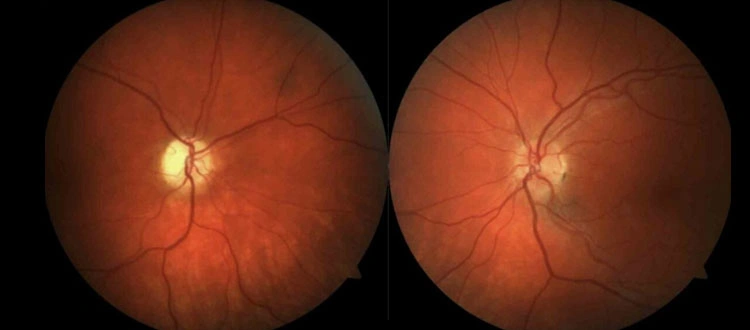
Optic Atrophy is a condition that occurs when the optic nerve becomes damaged and loses its ability to efficiently transmit visual signals from the eyes to the brain. Since the optic nerve plays a critical role in vision, damage may affect visual clarity, color perception, and overall visual performance.
Patients diagnosed with optic atrophy often begin exploring different treatment options to understand what possibilities may exist for preserving function and supporting long-term eye care. In recent years, regenerative medicine and stem cell research have gained attention in ophthalmology.
This article explains optic atrophy, current treatment understanding, and what patients should know when exploring stem cell-based approaches.
Understanding Optic Atrophy
The optic nerve is responsible for carrying visual information from the eye to the brain. When nerve fibers become affected, vision may become impaired.
Common symptoms may include:
- Reduced visual sharpness
- Difficulty recognizing details
- Color vision changes
- Reduced field of vision
- Progressive visual decline
Severity may differ significantly between individuals.
Causes of Optic Atrophy
Several conditions may contribute to optic nerve damage, including:
- Reduced blood supply
- Inflammation
- Genetic conditions
- Previous eye injury
- Neurological factors
Early evaluation may support treatment planning.
Current Management Approaches
Traditional management generally focuses on identifying and managing underlying causes.
Treatment planning may include:
- Eye examination
- Monitoring
- Supportive care
- Specialist consultation
Stem Cell Therapy and Eye Research
Stem cell therapy for Optic Atrophy in India continues to be explored as part of regenerative medicine.
Researchers continue studying how cellular approaches may support future ophthalmology developments. Treatment suitability remains individualized and requires specialist assessment.
Treatment Evaluation Process
Initial Consultation
Review of patient history and symptoms.
Diagnostic Review
Eye reports and imaging assessment.
Personalized Planning
Individual recommendations based on evaluation.
Monitoring and Follow-Up
Long-term observation may be recommended.
Questions Patients Should Ask
- What is the treatment objective?
- What expectations are realistic?
- What follow-up is required?
- Are there supportive therapies available?
Conclusion
Optic atrophy requires individualized care and informed decision-making. Patients considering regenerative approaches should seek professional consultation and understand available options before beginning treatment.
Frequently Asked Questions
1. Can optic atrophy be completely reversed?
Treatment outcomes differ and depend on multiple factors.
2. Is stem cell therapy available for evaluation?
Specialist consultation determines available options.
3. Does every patient qualify?
No.
4. Are results immediate?
Response timelines vary.
5. Is diagnosis required before consultation?
Yes.
6. Can international patients consult?
Many centers support international consultations.
7. Is follow-up necessary?
Yes.
8. Can treatment plans differ between patients?
Yes.
