Have any question? Call Us Now?

Blog
July 05, 2026
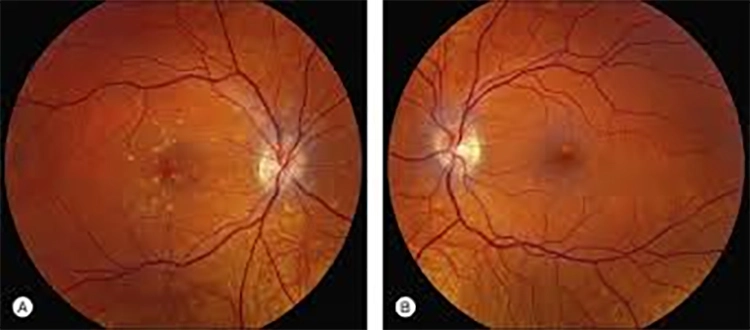
Stargardt’s Disease (Macular Dystrophy):, Symptoms, Diagnosis, and Treatment Causes Options
Stargardt’s Disease, commonly known as Stargardt’s Macular Dystrophy, is a rare inherited retinal disorder that primarily affects the macula—the central part of the retina responsible for sharp, detailed vision. The condition usually develops during childhood, adolescence, or early adulthood and gradually leads to a decline in central vision. While peripheral (side) vision often remains intact,

July 05, 2026
Macular Degeneration Treatment in India: Understanding Your Options for Better Vision Care
Macular degeneration is one of the most common causes of vision loss among older adults. The condition affects the macula, the central part of the retina responsible for sharp, detailed vision needed for reading, driving, and recognizing faces. As the disease progresses, central vision may gradually become blurred or distorted, making everyday activities more challenging.
July 03, 2026
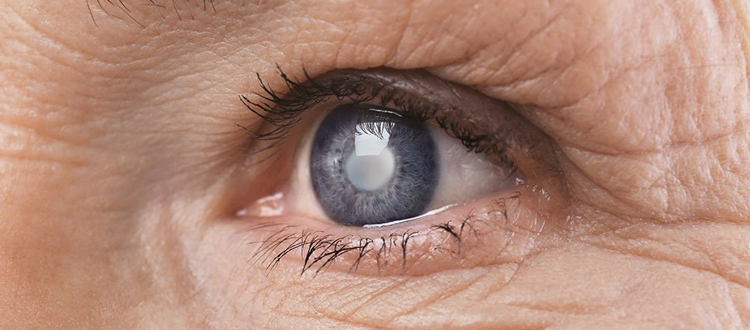
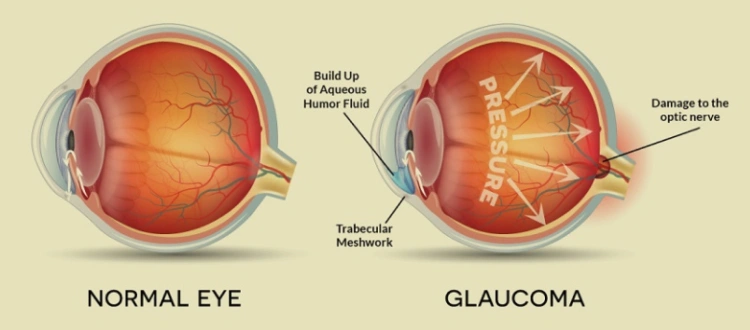
Glaucoma Eye Disorder and Treatment: Protecting Your Vision with Early Care
Glaucoma is one of the leading causes of irreversible vision loss worldwide. It is often called the “silent thief of sight” because it can gradually damage the optic nerve without causing noticeable symptoms in its early stages. Many people may not realize they have glaucoma until significant vision has already been lost. Fortunately, early diagnosis
July 01, 2026
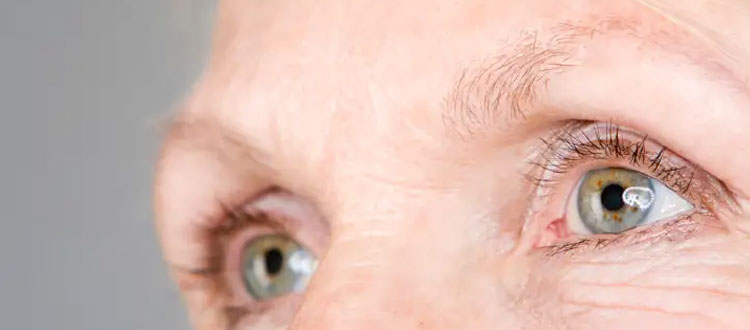
Eye Injury – Can Stem Cell Therapy Help Restore Vision?
Eye injuries can happen unexpectedly and may affect people of all ages. Whether caused by workplace accidents, sports activities, road accidents, chemical exposure, or sharp objects, an eye injury can lead to temporary or permanent vision problems if not treated promptly. Depending on the severity of the damage, traditional treatments may help protect the eye
June 30, 2026
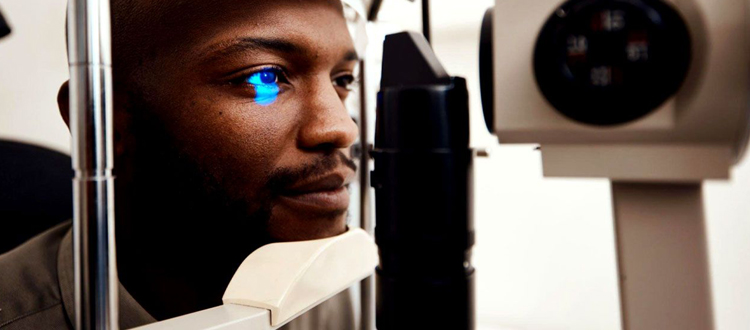
Stem Cell Therapy for Eye Diseases: A New Hope for Vision Care
Healthy eyesight plays an essential role in our daily lives. However, millions of people worldwide struggle with vision problems caused by retinal disorders, optic nerve damage, glaucoma, macular degeneration, diabetic retinopathy, and inherited eye diseases. While conventional treatments can help manage symptoms or slow disease progression, they may not always restore damaged eye tissues. This
June 27, 2026
Preserving Central Vision: Stem Cell Therapy for Stargardt’s Disease (Macular Dystrophy)
Stargardt’s disease, also known as juvenile macular dystrophy, is an inherited retinal disorder that primarily affects the macula—the central part of the retina responsible for sharp, detailed vision. The condition often develops during childhood, adolescence, or early adulthood, although symptoms may appear later in some individuals. As the disease progresses, patients may experience blurred central
June 25, 2026
Looking Beyond Vision Loss: Stem Cell Therapy for Rod and Cone Dystrophy
Rod and Cone Dystrophy is a rare inherited retinal disorder that gradually affects the eye’s photoreceptor cells—the rods and cones—which are responsible for capturing light and transmitting visual information to the brain. As these specialized cells progressively deteriorate, patients may experience difficulty seeing in dim light, reduced peripheral vision, poor color perception, and declining central
June 23, 2026
Exploring New Frontiers: Stem Cell Therapy for Retinal Degeneration
Retinal degeneration refers to a group of progressive eye conditions that affect the retina’s ability to process visual information effectively. The retina is a highly specialized layer located at the back of the eye and is responsible for converting light into signals that allow us to see. When retinal cells gradually weaken or become damaged,
June 22, 2026
Restoring Visual Possibilities: Stem Cell Therapy for Corneal Damage
The cornea is the transparent front layer of the eye that plays an essential role in focusing light and maintaining clear vision. When the cornea becomes damaged due to injury, infection, scarring, degenerative conditions, or other underlying factors, it can lead to blurred vision, discomfort, light sensitivity, and reduced visual performance. Depending on severity, corneal
June 22, 2026
Seeing Beyond Challenges: Stem Cell Therapy for Diabetic Retinopathy
Diabetic Retinopathy is one of the leading eye conditions associated with long-term diabetes and can significantly affect vision if not managed appropriately. The condition develops when prolonged changes in blood sugar levels affect the small blood vessels inside the retina — the light-sensitive layer located at the back of the eye. Over time, these changes