Have any question? Call Us Now?

Eye Injury and Vision Recovery: Exploring the Role of Regenerative Medicine
June 11, 2026/ 0 comment
Eye Injury and Vision Recovery: Exploring the Role of Regenerative Medicine
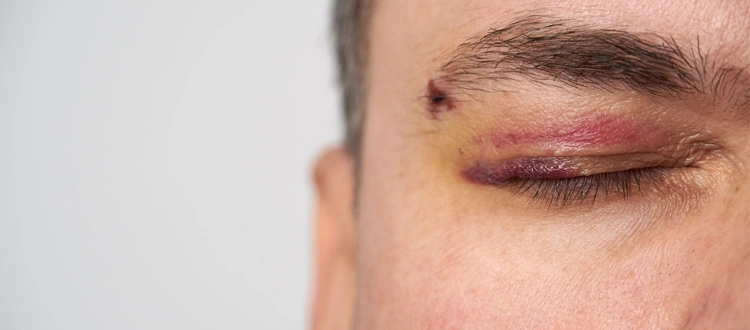
Eye injuries can range from mild irritation to more complex conditions affecting vision and quality of life. Recovery depends on the type of injury, affected structures, and timing of medical care.
As regenerative medicine develops, stem cell-based approaches continue to be studied as part of supportive treatment strategies in selected cases.
Understanding Eye Injury
Eye injuries may involve:
- Corneal damage
- Trauma-related vision changes
- Chemical exposure
- Surface tissue injury
- Internal eye complications
Immediate evaluation plays an important role in protecting vision.
Conventional Management Approaches
Treatment plans may include:
- Medication
- Protective procedures
- Monitoring and rehabilitation
- Surgical intervention when required
Doctors choose management based on injury severity.
Where Regenerative Medicine Is Being Explored
Stem cell-based approaches are being researched for their potential role in supporting tissue repair and recovery processes in ophthalmology.
Evaluation is individualized and not all patients may be candidates.
Factors That Influence Recovery
Several elements may affect outcomes:
Type of Injury
Different injuries may affect different eye structures.
Time to Medical Care
Early intervention may improve management opportunities.
Patient Health Factors
General health and healing response can influence recovery.
Rehabilitation Support
Follow-up care remains important throughout recovery.
When to Seek Specialist Evaluation
Patients should seek medical advice if they experience:
- Sudden vision changes
- Persistent discomfort
- Light sensitivity
- Eye redness after injury
- Progressive visual decline
Conclusion
Eye injury recovery depends on accurate diagnosis, timely care, and individualized treatment planning. Regenerative medicine continues to develop as researchers study future possibilities in ophthalmology.
Frequently Asked Questions (FAQs)
1. Can stem cell therapy help after eye injury?
Stem cell-based approaches continue to be explored for selected ophthalmology applications under specialist guidance.
2. Does every eye injury require surgery?
No. Treatment depends on injury type and severity.
3. When should I consult an eye specialist?
Prompt consultation is recommended after any significant eye injury or vision change.
4. Is recovery the same for every patient?
No, recovery timelines and outcomes differ.
5. Can old eye injuries still be evaluated?
Specialists may review previous injury history and current eye condition.
6. What tests are commonly performed?
Eye examinations and diagnostic imaging may be recommended.
7. Are follow-up visits important?
Yes, monitoring supports treatment planning and progress tracking.
8. Can patients discuss all available options during consultation?
Yes, consultations are intended to review condition details and available approaches.
