
Sumit chrono
7 months ago


Rod and cone dystrophies are inherited conditions that affect both of the retina’s light-sensing cell types. If you or your child has just been given this diagnosis, this page explains how it differs from related conditions, what support exists in the UK, and what stem cell therapy realistically involves.
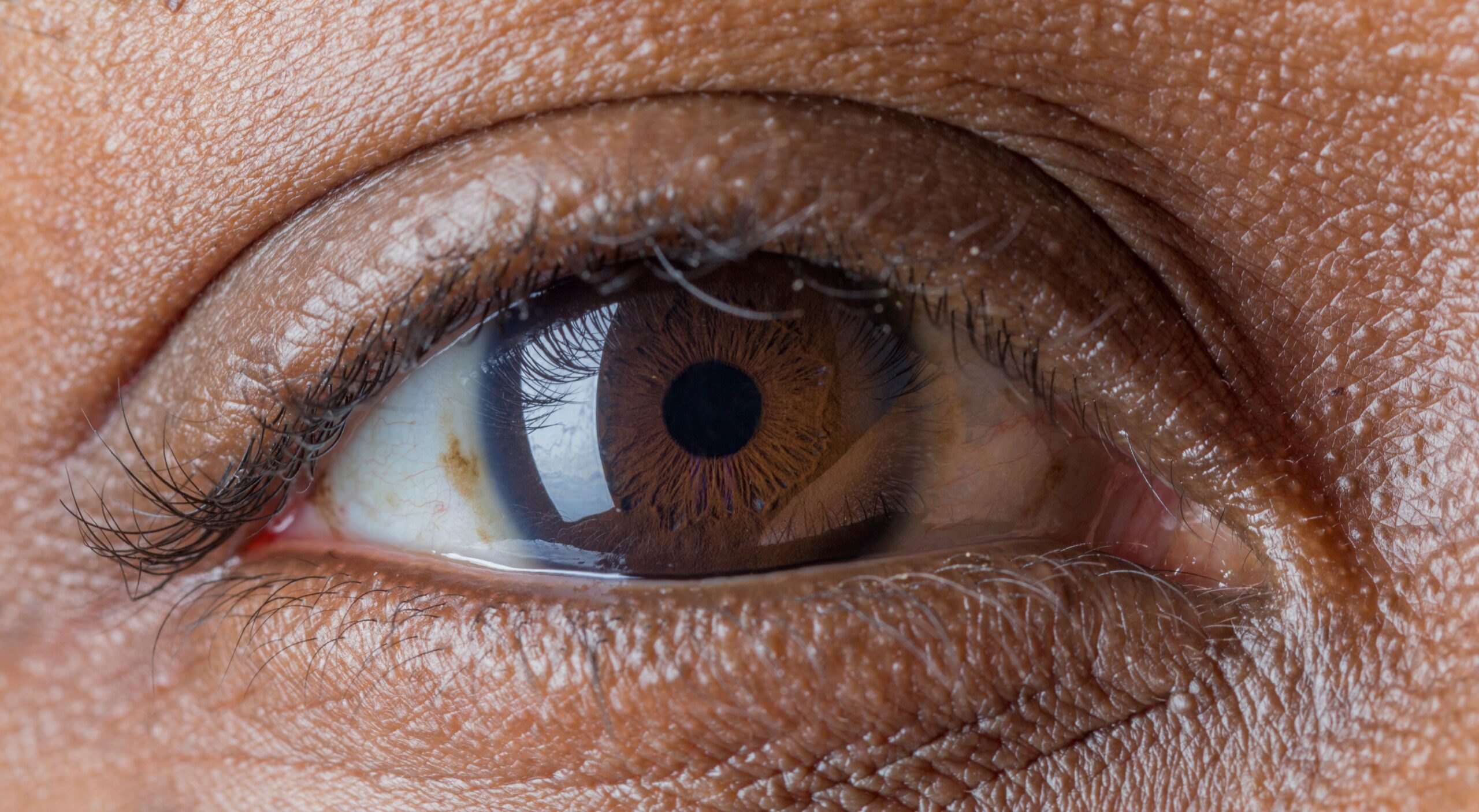
Cones give sharp central vision and colour, and rods give night and side vision. In some people the rods fail first, which looks like retinitis pigmentosa. In others the cones are hit first, which is called cone-rod dystrophy. Knowing which pattern you have shapes the symptoms and the follow-up.
Tinted lenses and a hat or visor in bright light can make a real difference to comfort.
Magnifiers, electronic readers and accessible phone settings help keep reading and working practical.
Regular reviews catch cataract and macular swelling, which can sometimes be treated.
A genetics service can explain how the condition is inherited and what that means for relatives.
No stem cell therapy has been approved for rod and cone dystrophy. Experimental work aims to protect or support remaining cells, but results are limited and uncertain. We review your scans first and give a direct view of whether further assessment is reasonable, and always recommend continuing NHS monitoring.
A Qualified Teacher of Vision Impairment and, where needed, an Education, Health and Care Plan can help a child in school.
A CVI lets families access local authority and charity services.
Access to Work can fund adjustments and equipment.
Retina UK and RNIB offer advice and community.
Share your ERG, OCT and any genetic report through our Upload Report page. We reply with an honest opinion before any decision about travelling to Delhi-NCR.
Eye Stem Cell Center brings together pioneers in stem cell biotechnology and highly experienced ophthalmologists to provide advanced regenerative eye care with compassion and precision.
Dr. Pallavi is renowned for her expertise in cataract and corneal surgeries. With thousands of successful procedures, she combines surgical precision with a patient‑first approach.
Get ConsultationDr. Robin specializes in advanced cataract surgery, refractive procedures, and keratoconus treatment. His clinical excellence ensures patients receive world‑class eye care.
Get ConsultationDr. Pawan is an expert in retinal disorders, diabetic retinopathy, and advanced retina procedures. His patient‑focused approach ensures precise treatment and long‑term vision care.
Get ConsultationThey overlap. The difference lies in which cells are affected first, and your specialist can explain which pattern you have.
Most people keep some useful vision, but the course varies widely from one person to another.
Yes. Parents can send reports, and any decision is taken carefully and with the family fully informed.


