
Sumit chrono
7 months ago


Rod and cone dystrophy affects the cells that see in dim light and those that see sharp detail and colour. Parents in Karachi, Lahore and Multan often first notice a child who dislikes bright sunlight, holds books very close or struggles with colours. This page explains the condition and what stem cell research can realistically offer.
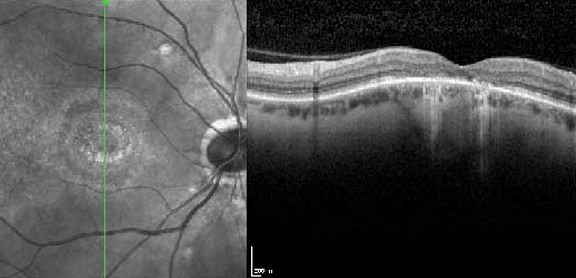
In rod and cone dystrophy, central vision and colour are often affected early, along with night vision. This is why the exact diagnosis, confirmed with a full-field ERG, matters for both expectations and family counselling.
Stem cell therapy is experimental in this condition. The idea is to support the photoreceptors that remain. There is no approved stem cell treatment, and results cannot be promised.
Most cases are inherited, and recessive forms are more common where parents are related. Genetic counselling helps families understand risks to brothers, sisters and future children.
Share ERG reports, OCT scans and school or clinic notes on WhatsApp at +91-9760013103. Because India has restricted visas for Pakistani nationals since April 2025, please check the current rules before planning travel. Meanwhile, our doctors can review your reports without a visit.
Eye Stem Cell Center brings together pioneers in stem cell biotechnology and highly experienced ophthalmologists to provide advanced regenerative eye care with compassion and precision.
Dr. Pallavi is renowned for her expertise in cataract and corneal surgeries. With thousands of successful procedures, she combines surgical precision with a patient‑first approach.
Get ConsultationDr. Robin specializes in advanced cataract surgery, refractive procedures, and keratoconus treatment. His clinical excellence ensures patients receive world‑class eye care.
Get ConsultationDr. Pawan is an expert in retinal disorders, diabetic retinopathy, and advanced retina procedures. His patient‑focused approach ensures precise treatment and long‑term vision care.
Get ConsultationGlasses correct ordinary refractive error but cannot repair damaged retinal cells. Tinted lenses may reduce glare.
Sunlight does not cause the disease, but glare is uncomfortable. A cap and sunglasses help.
Many children manage in regular school with seating, large print and understanding teachers.



