
Sumit chrono
7 months ago


Stargardt's disease and other macular dystrophies cannot yet be cured, but a good care plan protects independence and school or work performance. This page lays out that plan, from confirming the diagnosis to using low-vision aids well.
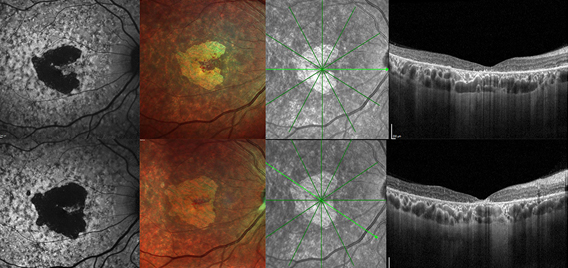
OCT scan of the macula Fundus autofluorescence imaging ERG to check wider retinal function Genetic testing for ABCA4 where possible
Regular scans to track change
Avoiding high-dose vitamin A supplements unless advised by a doctor
UV-blocking sunglasses outdoors
Avoiding smoking
Handheld or stand magnifiers, e-readers with adjustable text and bright task lighting all help. Training in eccentric viewing teaches you to use the healthy retina beside the damaged centre, which many people find improves reading.
Gene and cell therapies for Stargardt's are being studied around the world. Ask your doctor about trials before travelling. Our centre also offers assessment for experimental stem cell therapy, and we are open about the uncertainty.
Relatives often feel worried or guilty. A clear explanation of the inheritance pattern helps. Brothers and sisters can be screened early, and schools can be asked for practical adjustments.
Eye Stem Cell Center brings together pioneers in stem cell biotechnology and highly experienced ophthalmologists to provide advanced regenerative eye care with compassion and precision.
Dr. Pallavi is renowned for her expertise in cataract and corneal surgeries. With thousands of successful procedures, she combines surgical precision with a patient‑first approach.
Get ConsultationDr. Robin specializes in advanced cataract surgery, refractive procedures, and keratoconus treatment. His clinical excellence ensures patients receive world‑class eye care.
Get ConsultationDr. Pawan is an expert in retinal disorders, diabetic retinopathy, and advanced retina procedures. His patient‑focused approach ensures precise treatment and long‑term vision care.
Get ConsultationMost cases are inherited, often in a recessive pattern, which is why family screening is useful.
Standard glasses cannot correct macular damage, but they are still needed for any ordinary refractive error. Low-vision aids help beyond that.
Usually in childhood or the teenage years, though some people notice it later.



