
Sumit chrono
7 months ago


Families value different things: a child who recognises faces, moves confidently or reads comfortably. This page explains how progress is measured and how to judge any claim against those goals.
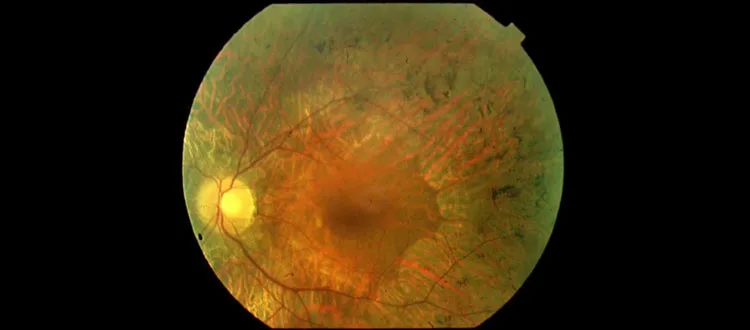
Eye-chart numbers describe only part of what a child can do. For ONH, tests of tracking, visual fields, contrast and everyday function give a fuller picture.
When a therapy is called successful, ask which of these measures changed, by how much, and for how long.
Chosen by the child’s age.
Make them specific to your child.
Moving confidently at home and school.
Reading or listening methods that work.
Recognising family and friends.
Skills for the teenage years.
Four questions to ask.
Be specific.
Small changes may not affect daily life.
Look for lasting effects.
Ask about a control group.
Eye Stem Cell Center brings together pioneers in stem cell biotechnology and highly experienced ophthalmologists to provide advanced regenerative eye care with compassion and precision.
Dr. Pallavi is renowned for her expertise in cataract and corneal surgeries. With thousands of successful procedures, she combines surgical precision with a patient‑first approach.
Get ConsultationDr. Robin specializes in advanced cataract surgery, refractive procedures, and keratoconus treatment. His clinical excellence ensures patients receive world‑class eye care.
Get ConsultationDr. Pawan is an expert in retinal disorders, diabetic retinopathy, and advanced retina procedures. His patient‑focused approach ensures precise treatment and long‑term vision care.
Get ConsultationYes, use of vision often improves with maturity and therapy.
A combination, chosen by the child’s age.
No. Evidence is limited to laboratory research.


