Have any question? Call Us Now?

Uncategorized Archives - Eye Stem Cell Center
September 26, 2026
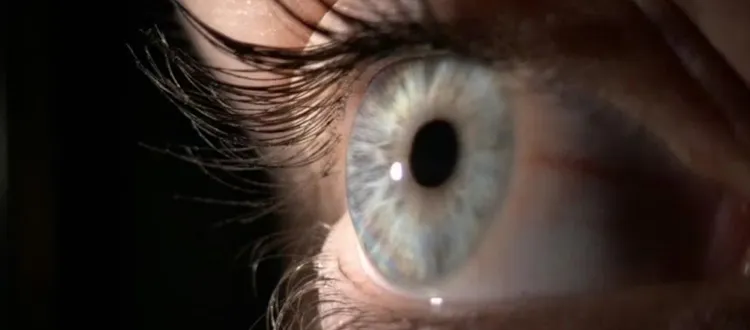
Diabetic Retinopathy Treatment In India – Advanced Care for Better Vision
Medically reviewed by Dr. Prashant Tyagi (Stem Cell Biotechnology Specialist, 10+ years) and Dr. Pallavee Senior Consultant | Ophthalmologist & Eye Surgeon 22+ Years Experience Diabetic Retinopathy is one of the most common diabetes-related eye complications and a leading cause of vision impairment among adults. High blood sugar levels can damage the tiny blood vessels
September 15, 2026
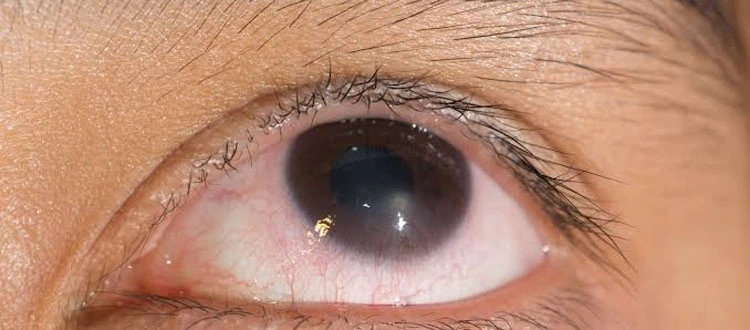
Corneal Stem Cell Therapy: Treating Limbal Stem Cell Deficiency
Medically reviewed by Dr. Prashant Tyagi (Stem Cell Biotechnology Specialist, 10+ years) and Dr. Pallavee Senior Consultant | Ophthalmologist & Eye Surgeon 22+ Years Experience Unlike many stem cell treatments still confined to research trials, corneal stem cell therapy for limbal stem cell deficiency (LSCD) is one of the few genuinely established, evidence-backed regenerative treatments
September 14, 2026
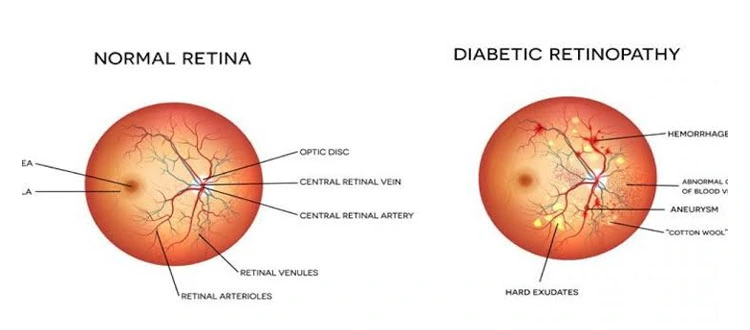
Diabetic Retinopathy: Can Stem Cells Help Restore Vision?
Medically reviewed by Dr. Prashant Tyagi (Stem Cell Biotechnology Specialist, 10+ years) and Dr. Pallavee Senior Consultant | Ophthalmologist & Eye Surgeon 22+ Years Experience Diabetic retinopathy is one of the most common complications of long-standing diabetes and remains a leading cause of vision loss among working-age adults worldwide. As blood sugar levels stay elevated
August 22, 2026
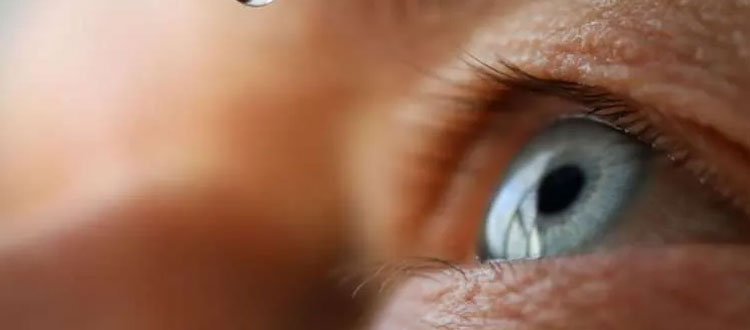
Can Stem Cells Help Restore Vision? What Ophthalmologists Say
Medically reviewed by Dr. Prashant Tyagi (Stem Cell Biotechnology Specialist, 10+ years) and Dr. Pallavee Senior Consultant | Ophthalmologist & Eye Surgeon 22+ Years Experience This is one of the most direct questions patients ask when researching stem cell treatment for eye conditions, and it deserves an equally direct, evidence-grounded answer rather than a hopeful
August 16, 2026
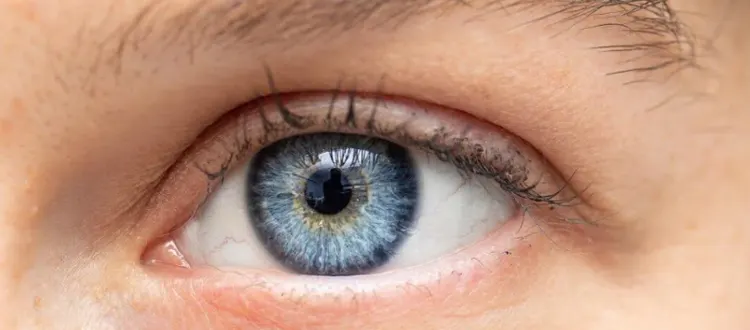
Eye Stem Cell Therapy in 2026: How the Treatment Actually Works
Medically reviewed by Dr. Prashant Tyagi (Stem Cell Biotechnology Specialist, 10+ years) and Dr. Pallavee Senior Consultant | Ophthalmologist & Eye Surgeon 22+ Years Experience Eye stem cell therapy has moved from an experimental concept to a more established, though still evolving, area of regenerative medicine. For patients researching treatment in 2026, understanding the actual
August 09, 2026
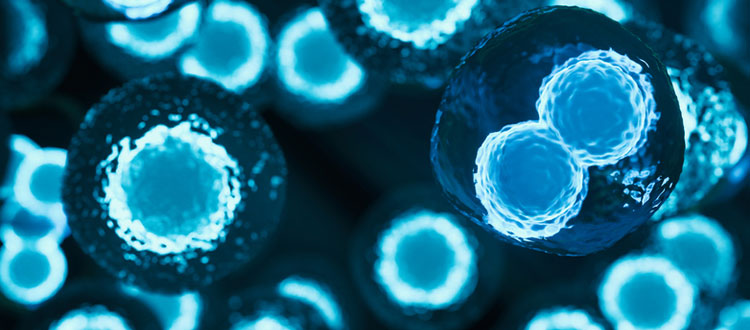
What to Expect Before, During and After Eye Stem Cell Treatment
Medically reviewed by Dr. Prashant Tyagi (Stem Cell Biotechnology Specialist, 10+ years) and Dr. Pallavee Senior Consultant | Ophthalmologist & Eye Surgeon 22+ Years Experience For many people living with retinal conditions such as Retinitis Pigmentosa, Stargardt’s Disease, Optic Nerve Atrophy, or Rod and Cone Dystrophy, the decision to explore eye stem cell treatment often

February 10, 2026
Stem Cell Treatment in London
London is a global hub for medical innovation, research, and advanced healthcare services. Even within this world-class medical environment, many patients are exploring regenerative medicine — particularly stem cell therapy — to address chronic illnesses, degenerative conditions, and injuries that have not responded optimally to conventional treatments. Stem cell therapy offers an approach that supports

August 01, 2025
Cone Dystrophy Treatment in India with Advanced Hope for a New Vision
Cone dystrophy is a rare but serious eye complaint that gradationally affects a person’s capability to see easily, especially in bright light or during color recognition. It primarily impacts the cone cells of the retina, leading to central vision loss and making everyday tasks like reading, driving, or feting faces delicate. While this condition has

May 29, 2025
Treatment of Rod and Cone Dystrophy: Breakthroughs at EyeStem Cell Center
Rod and cone dystrophy is a genetic eye disorders that damage vision by affecting the rods and cones of the retina’s photoreceptor cells. The primary work of these cells are that, they are responsible for the way we see light, color, and detail. Rods are responsible for peripheral and night vision, whereas cones have the
April 03, 2025
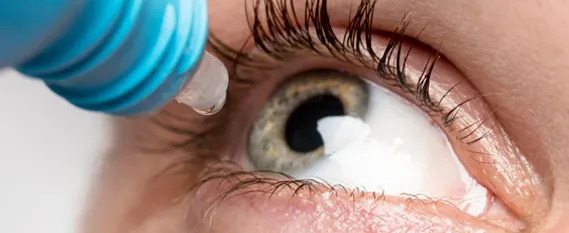
Unlocking Hope with Stem Cell Treatment for Retinitis Pigmentosa Disease in India
Retinitis Pigmentosa (RP) is an inherited disorder. It impacts the retina. And thus gradually results in vision decline. It may also result in possibly blindness. Earlier, the stem cell treatment for Retinotis Pigmentosa Disease was focused on educating methods. This was a procedure by which the progression of the condition could be treated. Understanding Retinitis
