
Sumit chrono
7 months ago


Most advice about ONH focuses on babies. This guide looks at the longer road: learning in school, puberty, exams, work and independence.
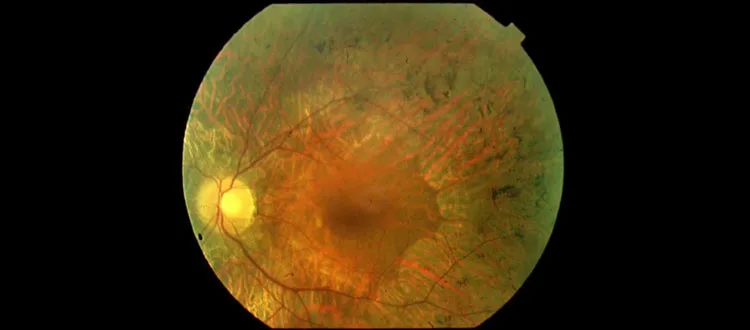
A child with ONH grows into a teenager and adult who still has smaller optic nerves. Needs change over time: reading speed, copying from the board, moving around campus and later choosing a career all matter.
Hormone care also continues. Puberty can be early, late or incomplete in children with pituitary involvement, so growth and puberty checks go on through the teenage years.
What to ask for as your child grows.
Skills and tools that build independence.
Large print, screen magnification and audio books.
Replacement and puberty guidance from an endocrinologist.
Builds confidence at crossings and on public transport.
Choose study paths that match functional vision.
Small habits that help every year.
Explain needs at the start of every school year.
Request extra time or enlarged papers well ahead of national exams.
Let the young person practise tasks themselves.
Prepare early for secondary school, college or work.
Planning ahead reduces stress at transition points.
Eye Stem Cell Center brings together pioneers in stem cell biotechnology and highly experienced ophthalmologists to provide advanced regenerative eye care with compassion and precision.
Dr. Pallavi is renowned for her expertise in cataract and corneal surgeries. With thousands of successful procedures, she combines surgical precision with a patient‑first approach.
Get ConsultationDr. Robin specializes in advanced cataract surgery, refractive procedures, and keratoconus treatment. His clinical excellence ensures patients receive world‑class eye care.
Get ConsultationDr. Pawan is an expert in retinal disorders, diabetic retinopathy, and advanced retina procedures. His patient‑focused approach ensures precise treatment and long‑term vision care.
Get ConsultationThat depends on the legal vision standard and individual vision, so ask an eye specialist before assuming either way.
Often yes, but hormone deficiency can delay or change it, so check-ups matter.
Many, including office, teaching and technology roles, with the right tools.


