
Sumit chrono
7 months ago


Optic atrophy has many causes, and some are particularly relevant in West Africa. This page explains how the cause is found and what can be done about it.
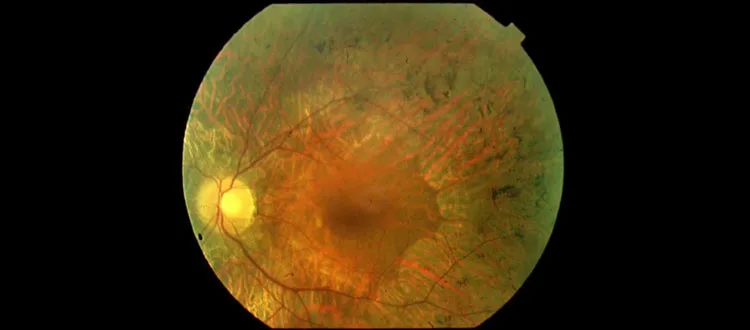
A pale optic disc is the end point of many different problems. Finding the cause is what decides whether further loss can be prevented.
In Nigeria, doctors keep several causes in mind: nerve inflammation, river blindness, nutritional neuropathy linked to heavy cassava diets, side effects of drugs such as ethambutol or quinine, head injury, and growths pressing on the nerve.
Your history guides the tests.
Care is directed at what damaged the nerve.
Steroids, surgery or other targeted therapy when these are found.
Anti-parasitic medicine where onchocerciasis is found.
Only with the prescribing doctor’s agreement.
Protein, vitamins and a varied diet support recovery.
Support keeps people active.
Bright, even light helps with steps and doorways.
Builds safe movement outdoors.
Family members can learn to guide effectively.
Fields and scans show whether the condition is stable.
Knowing what normally happens next helps patients stay on track.
Eye Stem Cell Center brings together pioneers in stem cell biotechnology and highly experienced ophthalmologists to provide advanced regenerative eye care with compassion and precision.
Dr. Pallavi is renowned for her expertise in cataract and corneal surgeries. With thousands of successful procedures, she combines surgical precision with a patient‑first approach.
Get ConsultationDr. Robin specializes in advanced cataract surgery, refractive procedures, and keratoconus treatment. His clinical excellence ensures patients receive world‑class eye care.
Get ConsultationDr. Pawan is an expert in retinal disorders, diabetic retinopathy, and advanced retina procedures. His patient‑focused approach ensures precise treatment and long‑term vision care.
Get ConsultationNo. It has medical causes, and finding them is the way to protect remaining sight.
Yes, long-standing infection can damage the optic nerve in affected regions.
Lost fibres do not regrow, but stopping the cause can prevent further loss.


