
Sumit chrono
7 months ago


If someone in your family has been told they have a macular dystrophy, this page explains the types, tests and treatments available and how to plan care.
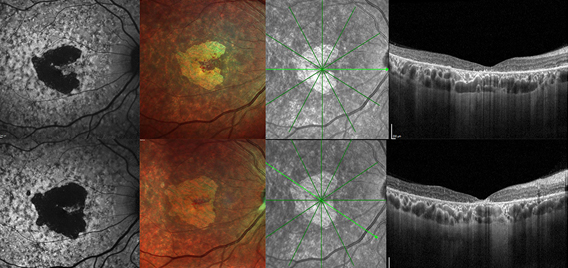
Some macular dystrophies are slow and mild, while others reduce reading vision quickly. The pattern of inheritance and the age at onset help predict what may follow.
Because specialist clinics can be far away, families often need to prioritise which tests matter most. We help sort out which investigations are essential.
These tests give the most useful information.
Care depends on the type and complications.
Used only if fluid or bleeding appears.
Tints improve comfort for many patients.
Removing a cloudy lens can help remaining sight.
Gene and cell therapy studies may apply in selected types.
Making home and work easier.
Place bright lamps beside reading areas.
Use phone accessibility settings.
Take care on roads and busy markets.
Keep scan copies for future reviews.
Eye Stem Cell Center brings together pioneers in stem cell biotechnology and highly experienced ophthalmologists to provide advanced regenerative eye care with compassion and precision.
Dr. Pallavi is renowned for her expertise in cataract and corneal surgeries. With thousands of successful procedures, she combines surgical precision with a patient‑first approach.
Get ConsultationDr. Robin specializes in advanced cataract surgery, refractive procedures, and keratoconus treatment. His clinical excellence ensures patients receive world‑class eye care.
Get ConsultationDr. Pawan is an expert in retinal disorders, diabetic retinopathy, and advanced retina procedures. His patient‑focused approach ensures precise treatment and long‑term vision care.
Get ConsultationNo. Many need only monitoring unless complications develop.
Inherited forms cannot be prevented, but counselling helps families plan.
A combination of imaging, family history and genetic tests will tell.



