
Sumit chrono
7 months ago


This guide to Stargardt's disease in Dubai covers proven care, protecting your eyes in a high-sun climate, health insurance, school support and registration as a person of determination.
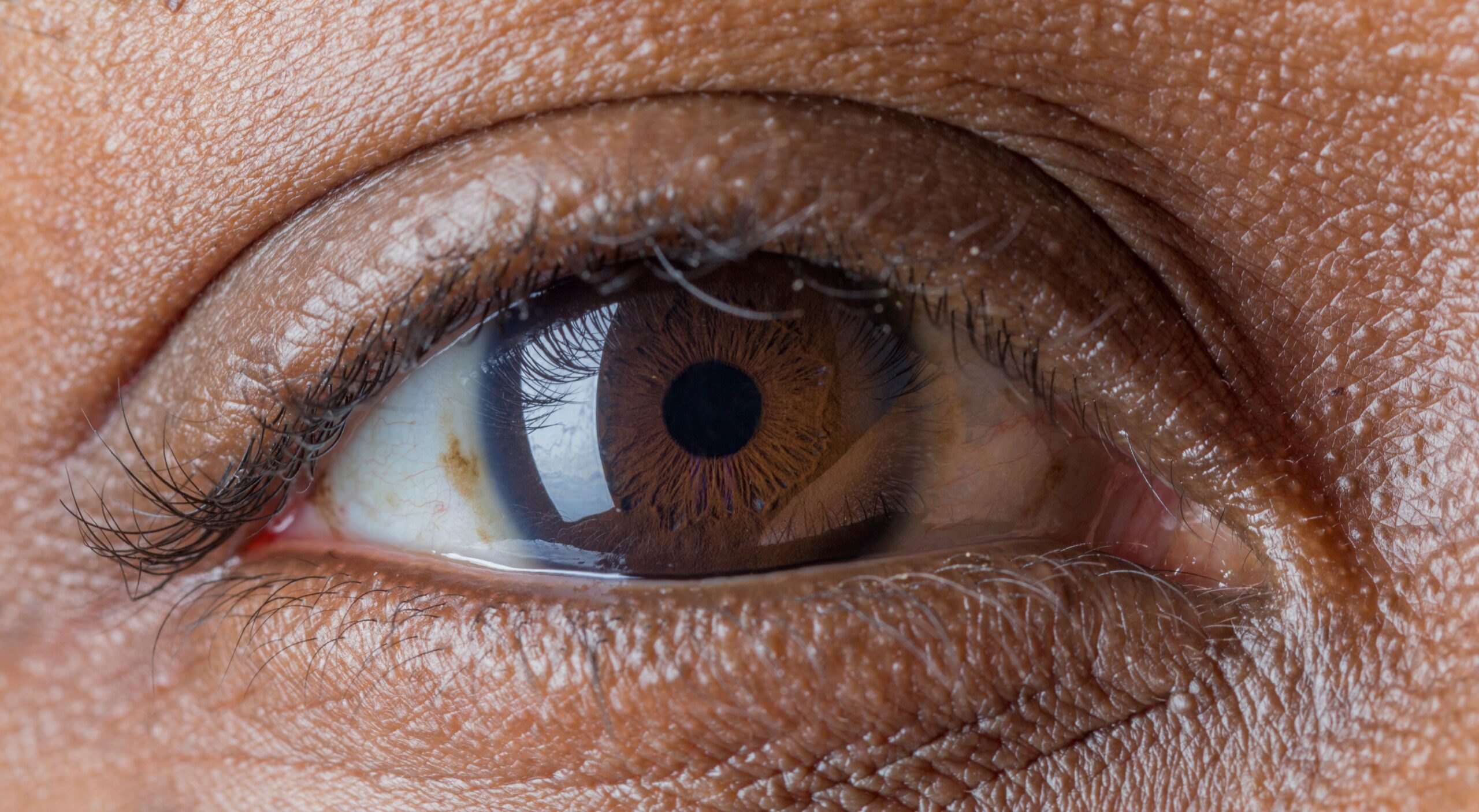
Stargardt's disease is an inherited condition that damages central vision, usually starting in childhood or young adulthood. There is no approved cure, so care focuses on confirming the diagnosis, protecting the retina, supporting daily life and following research.
Living in Dubai brings particular considerations, from the strong sun to how health insurance covers genetic tests and low-vision aids.
Practical, widely advised steps.
Things to ask about.
Dubai residents are required to hold health insurance, but plans differ on genetic testing and low-vision aids, so check your policy.
Dubai's inclusive education framework asks schools to support students with additional needs, so speak to the school early.
Ask about registration for people of determination, which can open access to services.
Meeting vision standards is required for a UAE licence, so seek advice from your specialist.
Regular care protects your options.
Autofluorescence and OCT track change.
Explains inheritance, which is important in families where relatives marry.
Sudden distortion should be reviewed urgently.
Magnifiers, screen readers and technology.
Eye Stem Cell Center brings together pioneers in stem cell biotechnology and highly experienced ophthalmologists to provide advanced regenerative eye care with compassion and precision.
Dr. Pallavi is renowned for her expertise in cataract and corneal surgeries. With thousands of successful procedures, she combines surgical precision with a patient‑first approach.
Get ConsultationDr. Robin specializes in advanced cataract surgery, refractive procedures, and keratoconus treatment. His clinical excellence ensures patients receive world‑class eye care.
Get ConsultationDr. Pawan is an expert in retinal disorders, diabetic retinopathy, and advanced retina procedures. His patient‑focused approach ensures precise treatment and long‑term vision care.
Get ConsultationNo. Treatment is supportive, and research is ongoing.
Light protection is commonly advised as a precaution, though it has not been proven to stop progression.
It depends on your plan. Ask your insurer and your specialist before testing.


