Have any question? Call Us Now?

March 2026 - Page 2 of 2 - Eye Stem Cell Center

March 10, 2026
Stem Cell Therapy for Retinitis Pigmentosa: A Regenerative Vision Approach at Eye Stem Cell Center
Retinitis Pigmentosa (RP) is a group of inherited retinal disorders that gradually lead to progressive vision loss. This condition affects the photoreceptor cells of the retina, which are responsible for capturing light and sending visual signals to the brain. As these cells deteriorate over time, patients often experience night blindness, tunnel vision, and difficulty seeing

March 09, 2026
Germany’s Approach to Macular Degeneration: Can Stem Cells Change Vision Outcomes?
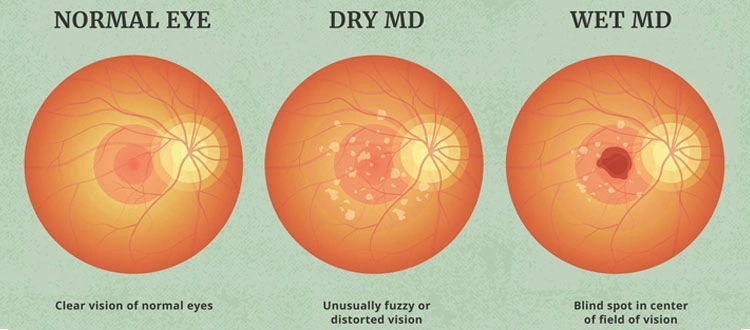
One of the most common causes of vision loss in older adults (in Germany and all over Europe) is age-related macular degeneration treatment in Germany (AMD). AMD occurs in two types: wet, which is treated with injections to regulate the abnormal blood vessels, and dry, which provides fewer treatment options, and the disease usually ends
March 07, 2026
Stem Cell Therapy for Vision Disorders in Congo: Hope for the Future
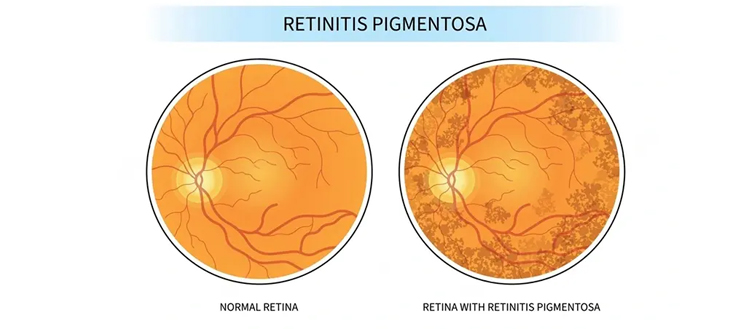
Many in the Democratic Republic of Congo have retinitis pigmentosa (RP), optic atrophy, macular degeneration and other retinal disorders. They result in slow vision impairment, which usually starts with night blindness or fuzzy central vision. Access to further eye care is low due to healthcare issues, extensive commuting to specialists, and absence of local care
March 06, 2026
Retinitis Pigmentosa Challenges in Canada: What Patients Should Know
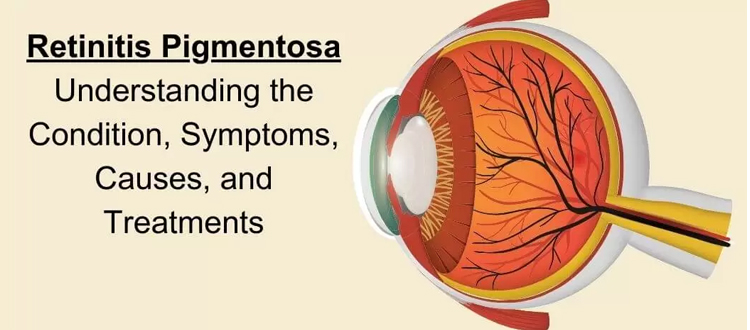
Retinitis pigmentosa, or RP, is a rare hereditary eye disorder which slowly robs people of their vision. In Canada, it affects 1 out of 4000 people – approximately 10000 Canadians live with it. Signs are noted by most individuals when they are children or teens. It has no cure yet, and patients have an opportunity
March 04, 2026
Oman: Stem Cell Therapy for Degenerative Vision Disorders
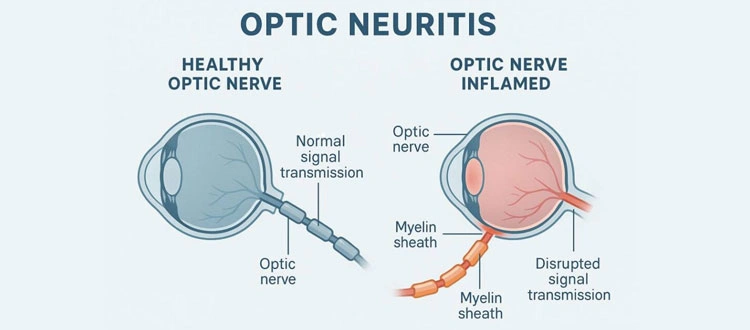
In Oman, patients diagnosed with progressive retinal and optic nerve disorders are increasingly researching advanced regenerative eye care options. Conditions such as Retinitis Pigmentosa and Leber Hereditary Optic Neuropathy (LHON) can gradually impair vision, often leading individuals to explore international centers specializing in regenerative ophthalmology, including programs available at Eyestemcellcenter.com. Degenerative vision disorders affect the
March 03, 2026
Ethiopia: Exploring Stem Cell Therapy for Retinal Disorders
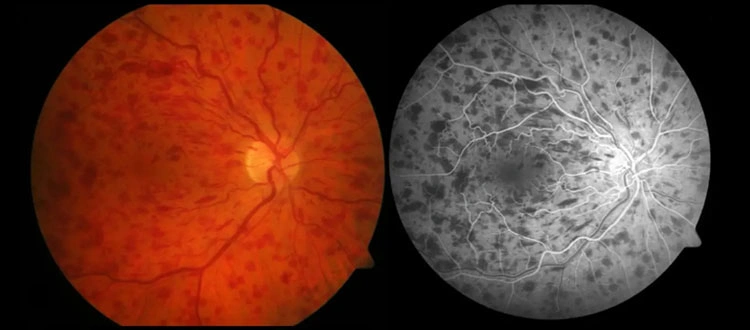
In Ethiopia, degenerative retinal diseases continue to present significant long-term visual challenges for patients and families. Inherited retinal dystrophies and progressive optic nerve disorders can gradually impair vision, limiting daily activities and independence. As medical awareness grows and global healthcare access expands, many individuals from Ethiopia are actively researching advanced regenerative treatment options, including specialized
March 01, 2026
Iraq: Stem Cell Approaches for Degenerative Eye Diseases
In Iraq, patients diagnosed with progressive retinal degeneration and optic nerve disorders often encounter limited access to highly specialized regenerative ophthalmic treatments. Conditions that gradually damage photoreceptor cells or optic nerve fibers can significantly impair vision and quality of life. As awareness of global medical advancements increases, many Iraqi patients and families explore international regenerative
