Have any question? Call Us Now?

Retinitis Pigmentosa Challenges in Canada: What Patients Should Know
March 06, 2026/ 0 comment
Retinitis Pigmentosa Challenges in Canada: What Patients Should Know
Retinitis pigmentosa, or RP, is a rare hereditary eye disorder which slowly robs people of their vision. In Canada, it affects 1 out of 4000 people – approximately 10000 Canadians live with it. Signs are noted by most individuals when they are children or teens. It has no cure yet, and patients have an opportunity to learn how to cope with it and research new treatment. Being aware of the true challenges will enable you to plan.
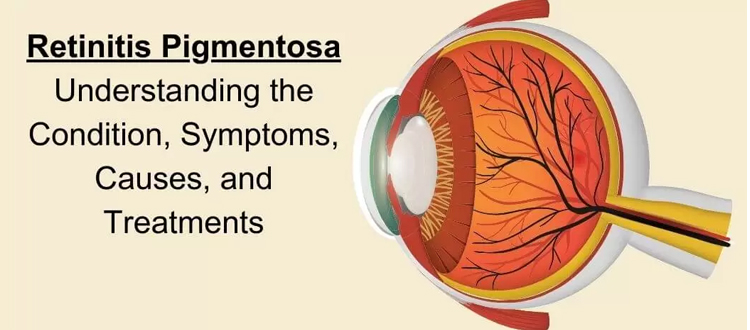
What is Retinitis Pigmentosa?
RP destroys the retina, the layer which is sensitive to light, on the back of the eye. They lose the cells required for night and side vision first. The night blindness, or difficulty seeing in the low light or at dusk, is first noticed by many people. Thereafter, one becomes tunnel visioned. The vision (central) can be blurred. At the age of 40, most are legally blind, but others can see clearly enough to read or identify faces. RP is hereditary and is triggered by mutations in over 60 genes.
Everyday Challenges in Canada
Having RP alters a lot in life. According to a Canadian study of patients (2023), big impacts were found:
- More than half said it affected their job or school.
- Almost half had serious trouble getting around.
- Over 70 per cent worried daily about coping.
- Many felt sad or hopeless.
Driving becomes unsafe. It becomes difficult to shop, cook or play sports. It also takes its toll on families: parents are concerned about their children, and carers require additional assistance.
Healthcare can feel slow. A visit to a retina specialist usually implies waiting in long lines, particularly in non-large cities like Toronto or Vancouver. Genetic testing establishes the type of RP, although not all provinces fund this test in full. Basic eye exams and aids are included in the public health care, but special low-vision equipment or advice is an addition.
Support Resources That Help
You are not alone. Fighting Blindness Canada is a free source of assistance: patient registry in clinical trials, webinars and a helpline: 1-800-461-3331. The CNIB offers low-vision education, talking books and guide dogs. Local support groups bring together those who are aware of the experience. According to many patients, such groups help them to be less afraid and develop independent living skills.
New Hope Through Advanced Treatments
Normal care is aimed at decreasing the loss of sight using vitamins, sunglasses, and others. In a small community containing a particular gene mutation (RPE65), Luxturna gene therapy is now financed in most provinces and can result in better night vision.
Stem cell treatment brings broader hope. It tries to heal impaired retina cells and retard or partially mend sight. Although it is still young in Canada and mostly in a research trial phase, dedicated centres in other countries provide Canadians with treatment. The Eye Stem Cell Center in India utilises the safe and tested methods of stem cells on RP. Patients claim that they have greater stability of vision and ability to live better after treatment.
What Patients Should Do Next
Talk to your eye doctor about genetic testing and low-vision services. Register in the Fighting Blindness Canada registry to get informed about trials. Even use stem cell therapy, but early enough, before it is too late to see.
RP is not a simple task, and knowledge and support can make the difference. Thousands of Canadians are fully living with the right tools and hope. To learn more about stem cell therapy options that are available to patients in Canada, then visit eyestemcellcenter.com.
