Have any question? Call Us Now?

Turning the Tide: How Stem Cell Advances Are Changing the Game for Retinitis Patients in London
August 12, 2024/ 0 comment
Turning the Tide: How Stem Cell Advances Are Changing the Game for Retinitis Patients in London
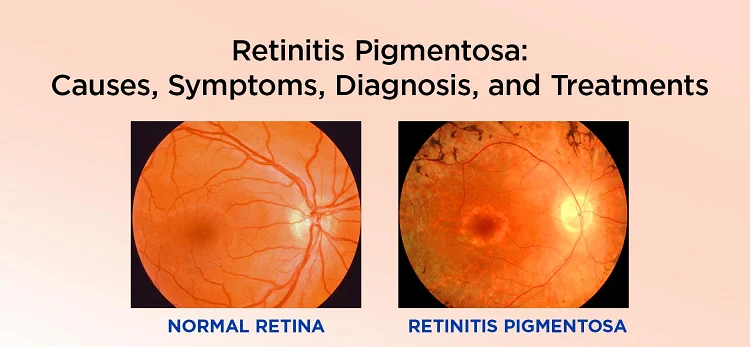
RP progresses with its onset at night blindness and then deterioration of peripheral vision.
Existing therapies are still considered to be very restricted. They are chiefly concerned with alleviating signs and symptoms and preventing the further worsening of disease, but these treatments do not attack the disease’s source or heal any of the destroyed retinal cells. This is where stem cell therapy comes in, to bring new hope and a new way to treat the condition and repair damage.
Science of Stem Cell
Stem cells are special because of their versatility of being able to develop into a number of specialized cells, some of which degenerate in diseases such as RP. Ophthalmology has now the potential to replace or repair retinal cells using stem cells.
Types of Stem Cells which are applied to Retinitis
- Embryonic Stem Cells (ESCs): From early-stage embryos, ESCs are potent stem cells capable of differentiating into all epithelial cell types of the body. Due to their capacity to produce the retinal cells they are of immense benefit in research associated with treatment.
- Induced Pluripotent Stem Cells (iPSCs): These are adult cells which have been coerced to go back to a similar state as embryonic cells. It is noteworthy that iPSCs can be genetically tailored to a patient’s best advantage, which makes these cells appropriate for other types of treatment.
Adult Stem Cells: Existing in several tissues among which the retina, the adult stem cells’ being less versatile in terms of differentiation they have the potential for treating retinal diseases through regeneration and repair.
New and revolutionary developments in stem cell therapy for Retinitis Pigmentosa
The progress in stem cell therapy can be considered as the advancement in methodology for treating RP in London. Here are some of the most exciting advancements:
Retinal Cell Replacement
One of the specific approaches which has a lot of potential is stem cell replacement for the damaged retinal cells. Investigators have managed to derive RPE cells from ESCs and iPSCs to a considerable extent. They play a central role in the preservation of the health of the retina. Transplantation of those cells into the patients’ eyes results in overall positive visual changes as well as disease stabilization.
Eugenics and stem cells
The use of CRISPR/Cas9 and stem cell therapy can be regarded as an innovative idea in the medical field. In contrast to the cure, which attempts to treat the symptoms of retinitis, regeneration know-how makes use of perfectly normal stem cells transplanted into a patient and thereby eradicates the origin of the ailment.
Stem Cell-Derived Retinal Organoids
Retinal organoids are constructed 3D tissue mimics of the retina derived from pluripotent stem cells. These organoids have a close resemblance with human retinal tissue, thus, are beneficial to delve into the root cause of the diseases and also to develop new treatments.
Conclusion
The introduction of stem cell therapy for Retinitis Pigmentosa in London is considered revolutionary in the sphere of vision science. Retinitis pigmentosa is a degenerative eye disease that causes gradual vision loss. For those who face it, the possibility of stem cell’ use is the hope. Stem cell developments do not only contribute toward the progressive alteration of the treatment of retinitis, they are revolutionary. This is how these new discoveries are revolutionizing the lives of RP patients at Eyestemcellcenter in London.
