Sumit chrono
7 months ago


Stem cell treatment in India ranges from established, life-saving procedures to experimental offers sold with big promises. This page separates the two, so you know where the evidence is strong and how to check any clinic before you commit.
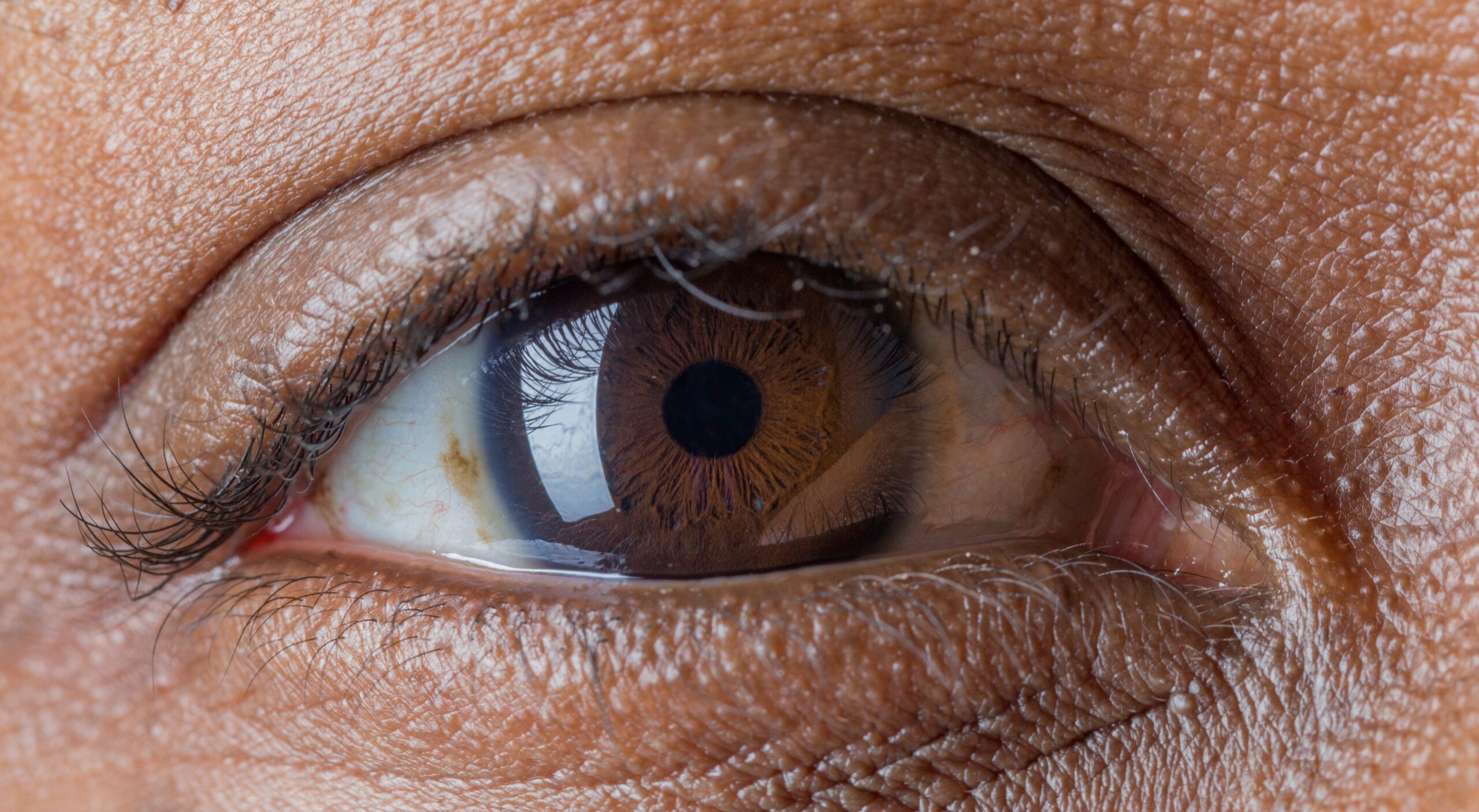
Stem cells are the body's repair cells. They can renew themselves and develop into specialised cell types, which is why they are used in medicine and studied for many more conditions.
India has world-class transplant centres and active research. It also has clinics that advertise stem cell treatment for almost any condition. The difference is evidence. A small number of uses are established medical care, many are still being tested in trials, and some should not be offered at all outside a regulated study. Knowing which group your condition falls into is the most important step.
Stem cell treatment is standard, evidence-based care in these areas.
Interest is high in these areas, but proven, routine treatment does not yet exist.
Research is under way, but no stem cell treatment for retinitis pigmentosa is approved as a proven therapy. Early-phase trials mainly test safety.
Stroke, spinal cord injury, Parkinson's disease, cerebral palsy and autism are often advertised, yet should be treated only inside registered, ethics-approved trials.
Cell-based approaches for conditions such as knee osteoarthritis are being studied. Results vary and the approach is not suitable for everyone.
Claims here run far ahead of the evidence. Treat any guaranteed result as a warning sign.
Run through these checks before you pay for anything.
Practical points that are easy to overlook.
Ask for a written, itemised estimate that shows what is included. Be cautious of fixed packages that are not tied to a trial protocol.
If you are travelling from another city or country, confirm the schedule, length of stay and who handles emergencies before you book.
Good care includes planned monitoring after the procedure. Ask who will review you and how complications are managed.
Carry reports, scans and genetic test results. A specialist can only advise properly with your full history.
Eye Stem Cell Center brings together pioneers in stem cell biotechnology and highly experienced ophthalmologists to provide advanced regenerative eye care with compassion and precision.
Dr. Pallavi is renowned for her expertise in cataract and corneal surgeries. With thousands of successful procedures, she combines surgical precision with a patient‑first approach.
Get ConsultationDr. Robin specializes in advanced cataract surgery, refractive procedures, and keratoconus treatment. His clinical excellence ensures patients receive world‑class eye care.
Get ConsultationDr. Pawan is an expert in retinal disorders, diabetic retinopathy, and advanced retina procedures. His patient‑focused approach ensures precise treatment and long‑term vision care.
Get ConsultationStem cell treatment inside standard care and within registered, ethics-approved clinical trials is legal and regulated. Offering unproven therapy as a routine treatment does not follow ICMR–DBT guidelines.
Haematopoietic stem cell transplantation for blood disorders and limbal stem cell transplantation for certain corneal injuries are established. For most other conditions, treatment is still experimental.
Established procedures carry known, managed risks. Unproven treatments can cause infection, immune reactions or, in the eye, serious vision loss, which is why verification matters.
Not at present. Research is promising but early, and no stem cell treatment for RP has regulatory approval. Genetic testing and low-vision rehabilitation help right now.
Ask for the CTRI registration number and IC-SCR approval, request peer-reviewed evidence for the exact procedure, and get an independent opinion before paying.