Have any question? Call Us Now?

Glaucoma Explained: Causes, Stages & Modern Treatment Approaches
August 27, 2026/ 0 comment
Glaucoma Explained: Causes, Stages & Modern Treatment Approaches
Medically reviewed by Dr. Prashant Tyagi (Stem Cell Biotechnology Specialist, 10+ years) and Dr. Pallavee Senior Consultant | Ophthalmologist & Eye Surgeon 22+ Years Experience
Glaucoma is often called the “silent thief of sight” because significant vision loss can occur before a person notices any symptoms – making understanding this condition genuinely important, not just academic. Here’s a clear explanation of what glaucoma is, how it progresses, and what modern treatment actually involves.
What Glaucoma Actually Is
Glaucoma refers to a group of eye conditions that damage the optic nerve, generally associated with elevated pressure within the eye (intraocular pressure), though it can occur even with normal eye pressure in some cases. Left untreated, this optic nerve damage leads to progressive, irreversible vision loss – typically starting with peripheral vision before potentially affecting central vision in advanced cases.
The Two Main Types
- Open-angle glaucoma – the most common form, developing gradually as drainage through the eye’s natural drainage structures becomes less efficient over time, often with no early symptoms at all
- Angle-closure glaucoma – a less common but potentially more urgent form, where the drainage angle becomes blocked, sometimes causing a sudden, painful rise in eye pressure requiring emergency treatment
Why Early Stages Often Go Unnoticed
In its early stages, particularly with open-angle glaucoma, patients frequently have no noticeable symptoms at all – vision loss begins in the peripheral field and progresses slowly enough that it often isn’t consciously noticed until a significant portion of the visual field is already affected. This is precisely why regular eye pressure checks and optic nerve examination, particularly for those with risk factors, matter even without symptoms.
Risk Factors Worth Knowing
Age, family history of glaucoma, elevated eye pressure, certain ethnic backgrounds, diabetes, and high myopia are all associated with increased glaucoma risk. Patients with these risk factors are generally advised to have more frequent comprehensive eye examinations, since early detection significantly affects how much vision can ultimately be preserved.
How Glaucoma Stages Are Assessed
Glaucoma progression is typically assessed through a combination of intraocular pressure measurement, visual field testing to map any areas of vision loss, and OCT imaging to measure optic nerve fibre layer thickness. These measures together help classify disease as early, moderate, or advanced, and guide how aggressively treatment needs to be pursued.
Modern Treatment Approaches
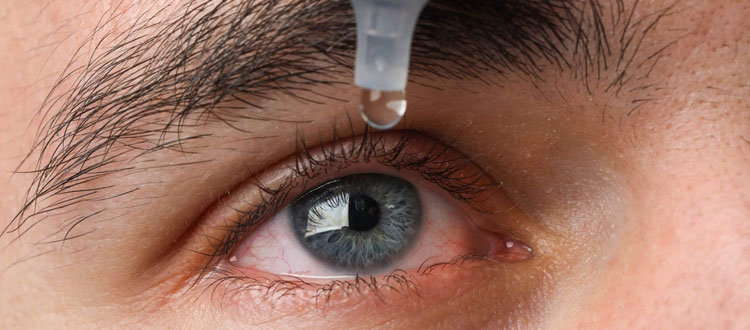
- Eye drops – typically the first-line treatment, working to either reduce fluid production in the eye or improve drainage, lowering intraocular pressure
- Laser treatment – procedures such as selective laser trabeculoplasty can improve drainage and reduce reliance on eye drops in some patients
- Surgical options – for patients not adequately controlled with drops or laser treatment, various surgical procedures can create new drainage pathways to lower eye pressure
- Regular monitoring – regardless of treatment approach, ongoing monitoring of eye pressure, visual field, and optic nerve status remains essential throughout a patient’s life with glaucoma
Why Treatment Focuses on Preventing Further Loss, Not Reversal
It’s important to understand that current glaucoma treatment aims to prevent further vision loss by controlling eye pressure and protecting remaining optic nerve function – it generally cannot restore vision already lost to established nerve damage. This is why early detection and consistent treatment adherence matter so significantly for long-term outcomes.
Questions Worth Asking Your Doctor
- What type of glaucoma do I have, and what stage is it currently at?
- What is my target eye pressure, and how will treatment be adjusted if that target isn’t met?
- How often should I have follow-up visual field and OCT testing?
- What are the signs that would indicate my treatment needs to be escalated?
What This Means in Practice
For most patients, effectively managing glaucoma comes down to consistent treatment adherence and regular monitoring, since the goal is preserving remaining vision rather than restoring what’s already been lost. Understanding your specific type, stage, and target eye pressure helps you engage more actively in a treatment plan that genuinely protects your long-term vision.
Government & Regulatory References
- National Programme for Control of Blindness and Visual Impairment (NPCBVI) – Ministry of Health and Family Welfare, Government of India – India’s national eye care programme, which specifically includes glaucoma screening and management as a priority area for preventable vision loss.
- All India Institute of Medical Sciences (AIIMS), New Delhi – Department of Ophthalmology – a leading government referral centre for glaucoma diagnosis and treatment, including advanced surgical and laser treatment options.
