Have any question? Call Us Now?

Macular Dystrophy: Looking at the Potential of Stem Cell Therapy - Eye Stem Cell Center
July 25, 2023/ 0 comment
Macular Dystrophy: Looking at the Potential of Stem Cell Therapy
Macular dystrophy is a set of inherited eye disorders that can result in blindness and gradual visual loss. Macular dystrophy currently has few effective treatment options and no known cure. However, stem cell treatment is receiving attention and research as a possible technique for treating this medical ailment.
In this article, we will look at the possibilities of Stem cell Treatment for Macular Dystrophy and evaluate its advantages and concerns.
Understanding Macular Dystrophy
The term “macular dystrophy” refers to a group of inherited retinal conditions that mostly damage the macula, which provides precise, centre vision. The condition is characterised by the macula’s slow loss of function, which impairs vision and causes issues with reading, difficulty recognising faces, and unclear or distorted centre vision.
Macular dystrophy can significantly negatively affect a person’s quality of life, making daily tasks difficult and possibly resulting in legal blindness.
Macular Degeneration Types
● Dry form.
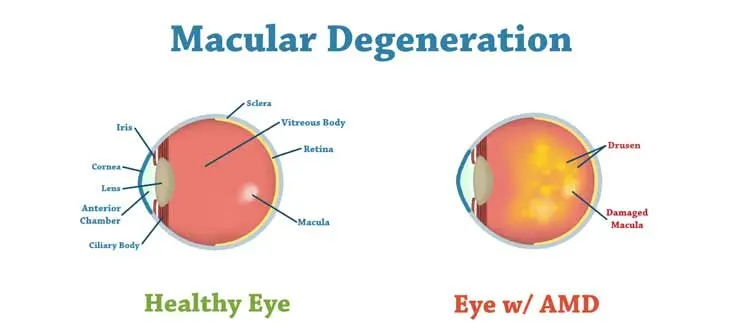
The growth of yellow deposits in the macula known as drusen characterise the “dry” form of macular degeneration, which can occasionally result in loss of central vision. A thin layer of light-sensitive cells in the macula that leads to atrophy, or tissue death, is another indication of severe dry macular degeneration.
● Wet form.
The “wet” form of macular degeneration is characterised by forming aberrant blood vessels from the choroid right beneath the macula. These blood vessels produce blind spots and loss of central vision by spilling blood and fluid into the retina. The bleeding from these aberrant blood vessels eventually leaves a scar, permanently impaired central vision.
The Limitations of Current Approaches
The primary goals of current macular dystrophy treatments are to control symptoms and decrease the disease’s progression. It covers the use of low-vision aids, dietary supplements, and, in some circumstances, surgical procedures. However, these methods only partially restore lost vision and do not address the disease’s underlying cause.
The Potential of Stem Cell Treatment
As a possible game-changer in regenerative medicine, stem cell therapy has received attention. Because of their special abilities to self-renew and differentiate into various cell types, stem cells are an effective treatment for macular dystrophy. Researchers seek to repair damaged retinal cells and help affected people regain their eyesight by using the regenerative potential of stem cells.
Directions and Possibilities for the Future
There are promising prospects for the future of macular dystrophy stem cell therapy:
- Integrative Therapies: Researchers are exploring the idea of combining stem cell therapy with other treatments like gene therapy or drug delivery devices to boost its effectiveness.
- Organoids of the Retina: The development of retinal organoids, which are 3D models that resemble the real retina, would allow researchers to track the development of diseases and test potential treatments before launching clinical trials.
- Personalised Medicine: Recent developments in gene editing methods, such as CRISPR-Cas9, may enable precise stem cell changes that result in patient-specific personalised medicines.
The Bottom Line
For treating macular dystrophy, stem cell therapy has shown significant potential. Stem cell therapy may eventually provide a practical and efficient therapeutic option for those with macular dystrophy, giving hope to those afflicted by this severe ailment. This possibility depends on ongoing study and collaboration between researchers and medical professionals.
