Have any question? Call Us Now?

Eye Injury and Vision Loss: When to Consider Regenerative Treatment
September 08, 2026/ 0 comment
Eye Injury and Vision Loss: When to Consider Regenerative Treatment
Medically reviewed by Dr. Prashant Tyagi (Stem Cell Biotechnology Specialist, 10+ years) and Dr. Pallavee Senior Consultant | Ophthalmologist & Eye Surgeon 22+ Years Experience
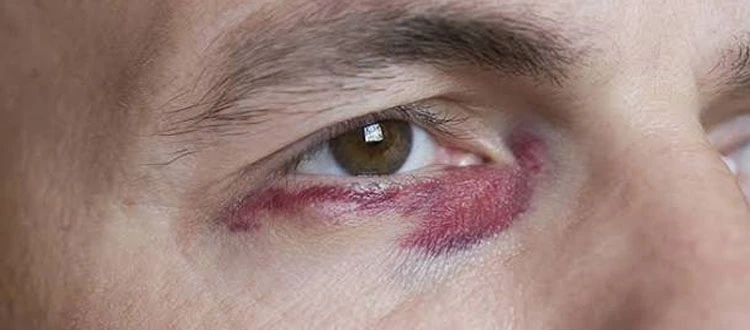
Eye injuries — whether from trauma, chemical exposure, burns, or surgical complications — can damage delicate structures like the cornea, retina, or optic nerve, sometimes leading to permanent vision loss. As regenerative medicine advances, patients understandably want to know: could stem cell-based treatment help restore vision after injury? Here’s a realistic look at where things stand.
Types of Eye Injuries and Their Impact on Vision
- Corneal injuries – chemical burns, deep scratches, or infections that damage the cornea’s surface and its stem cell reservoir (the limbus)
- Retinal injuries – trauma or detachment that damages photoreceptor cells
- Optic nerve injuries – trauma-related compression or severing of nerve fibers, which currently have very limited capacity to regenerate
Where Regenerative Treatment Shows the Most Promise
Corneal Injuries
This is currently the area with the strongest clinical evidence. When the limbus (the stem cell-containing ring around the cornea) is severely damaged — a condition called limbal stem cell deficiency — limbal stem cell transplantation is an established, evidence-backed procedure used in many specialized eye centers, often using the patient’s own healthy tissue from the unaffected eye, or from a matched donor.
Retinal Injuries
Research into retinal cell transplantation and stem cell-derived retinal pigment epithelium (RPE) is active, with several registered clinical trials underway. Early results are promising for safety, with more limited evidence so far for meaningful vision restoration in severe trauma cases.
Optic Nerve Injuries
This remains the most challenging area. The optic nerve has very limited natural regenerative capacity, and while research into neuroprotective and regenerative approaches (including stem cell-based strategies) is ongoing, no treatment has yet been proven to reliably restore vision lost to significant optic nerve damage.
When to Seek Evaluation
Time matters significantly with eye injuries. Seek immediate specialist evaluation if you experience:
- Sudden vision loss or blurring following any injury
- Chemical exposure to the eye (rinse immediately and seek emergency care)
- Persistent pain, redness, or light sensitivity after trauma
- Visible damage to the eye’s surface
Early, appropriate treatment — sometimes including established regenerative procedures like limbal stem cell transplantation — can make a meaningful difference in long-term outcomes.
Questions to Ask About Regenerative Treatment Options
- Is the specific procedure being offered an established treatment (like limbal stem cell transplant for corneal injury) or part of an experimental clinical trial?
- What published, peer-reviewed evidence supports its use for your specific type of injury?
- What are realistic expectations for the outcome, based on your specific injury and its severity?
The Bottom Line
Regenerative treatment for eye injury isn’t a single category — outcomes and evidence vary enormously depending on which part of the eye is affected. Corneal stem cell treatments are well-established for the right candidates, while retinal and optic nerve regeneration remain active but still-developing areas of research. A comprehensive evaluation by an ophthalmologist experienced in ocular trauma is the right first step to understand which options genuinely apply to your situation.
Medical & Government References
- National Eye Institute (NEI), NIH – Corneal Disease and Eye Injury Research
- ClinicalTrials.gov (NIH) – registered stem cell trials for ocular injury and retinal repair
Related Readings
Stem Cell Therapy For Eye in India
Stargardt’s Disease in Young Adults: Understanding an Under-Diagnosed Condition
