Have any question? Call Us Now?

Optic Nerve Atrophy Treatment in India: Advanced Approaches to Vision Care
July 07, 2026/ 0 comment
Optic Nerve Atrophy Treatment in India: Advanced Approaches to Vision Care
The optic nerve is one of the most important structures in the visual system, carrying signals from the retina to the brain. When this nerve becomes damaged, it can lead to a condition known as Optic Nerve Atrophy (ONA). The damage may result in reduced vision, loss of color perception, or even permanent vision impairment depending on the severity of the condition.
Optic Nerve Atrophy can affect people of all ages and may develop due to various underlying causes, including trauma, glaucoma, infections, inherited disorders, reduced blood supply, or neurological diseases. Early diagnosis and timely medical intervention are essential for protecting remaining vision and identifying the underlying cause.
What Is Optic Nerve Atrophy?
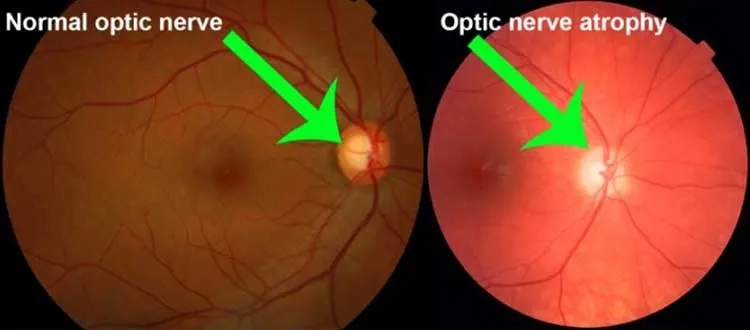
Optic Nerve Atrophy refers to the degeneration of optic nerve fibers, causing the nerve to lose its ability to efficiently transmit visual information to the brain. Since nerve tissue has limited regenerative capacity, vision loss associated with optic nerve damage can be difficult to reverse.
The condition may affect one or both eyes, and symptoms often progress gradually depending on the underlying cause.
Common Symptoms
Patients with Optic Nerve Atrophy may experience:
- Blurred or reduced vision
- Difficulty recognizing colors
- Decreased contrast sensitivity
- Loss of peripheral vision
- Visual field defects
- Reduced brightness of vision
- Difficulty performing daily visual tasks
The severity of symptoms varies among individuals and depends on the extent of optic nerve damage.
Causes of Optic Nerve Atrophy
Several medical conditions can contribute to optic nerve damage, including:
- Glaucoma
- Optic neuritis
- Eye or head trauma
- Reduced blood flow to the optic nerve
- Brain tumors affecting the visual pathway
- Hereditary optic neuropathies
- Diabetes and vascular disorders
- Certain infections and inflammatory diseases
Identifying the underlying cause is a crucial step in determining the most appropriate treatment plan.
Diagnosis
A comprehensive eye examination is necessary to confirm the diagnosis. Your ophthalmologist may recommend:
- Visual acuity assessment
- Color vision testing
- Optical Coherence Tomography (OCT)
- Visual field analysis
- Fundus examination
- MRI or CT scan (when neurological causes are suspected)
- Blood investigations, if required
These tests help evaluate the extent of optic nerve damage and rule out other eye conditions.
Optic Nerve Atrophy Treatment in India
Treatment for Optic Nerve Atrophy in india depends primarily on addressing the underlying cause. If the damage is related to glaucoma, inflammation, nutritional deficiency, or vascular disorders, managing these conditions may help prevent further deterioration.
Supportive measures such as low vision rehabilitation, visual aids, and regular follow-up appointments can improve quality of life for many patients.
India offers advanced ophthalmic care with experienced neuro-ophthalmologists, modern diagnostic facilities, and specialized treatment centers for optic nerve disorders. Individualized treatment plans are developed after a detailed clinical evaluation.
Researchers are also investigating regenerative medicine, including stem cell therapy, for optic nerve disorders. Stem cell therapy is being studied for its potential to support damaged nerve tissues and promote regenerative processes. However, it remains an evolving area of medical research and is not currently considered a guaranteed cure for Optic Nerve Atrophy. Patients should always seek guidance from qualified specialists regarding treatment suitability.
Why Early Diagnosis Matters
Although damaged optic nerve fibers cannot usually be fully restored, early diagnosis can help identify treatable causes, slow disease progression, and preserve remaining vision. Regular eye examinations are especially important for individuals with glaucoma, diabetes, neurological disorders, or a family history of optic nerve disease.
Disclaimer: This article is intended for educational purposes only and should not replace professional medical advice. Treatment recommendations vary according to each patient’s condition and should be made by a qualified ophthalmologist after a comprehensive examination.
Frequently Asked Questions (FAQs)
- What is Optic Nerve Atrophy?
Optic Nerve Atrophy is a condition in which the optic nerve becomes damaged, reducing its ability to transmit visual signals from the eye to the brain.
- Can Optic Nerve Atrophy be cured?
The damaged optic nerve cannot usually be completely restored. Treatment focuses on identifying the underlying cause, slowing progression, and preserving remaining vision.
- What causes Optic Nerve Atrophy?
Common causes include glaucoma, optic neuritis, trauma, poor blood supply, inherited disorders, neurological diseases, and certain infections.
- Is stem cell therapy available for Optic Nerve Atrophy in India?
Stem cell therapy is being researched as a regenerative treatment for optic nerve disorders. It remains an evolving field and should only be considered after thorough evaluation by qualified medical professionals.
- Why is early diagnosis important?
Early diagnosis allows doctors to manage the underlying cause, reduce further optic nerve damage, and improve long-term visual outcomes whenever possible.
