Have any question? Call Us Now?

Optic Nerve Atrophy Treatment with Stem Cell
October 15, 2025/ 0 comment
Optic Nerve Atrophy Treatment with Stem Cell
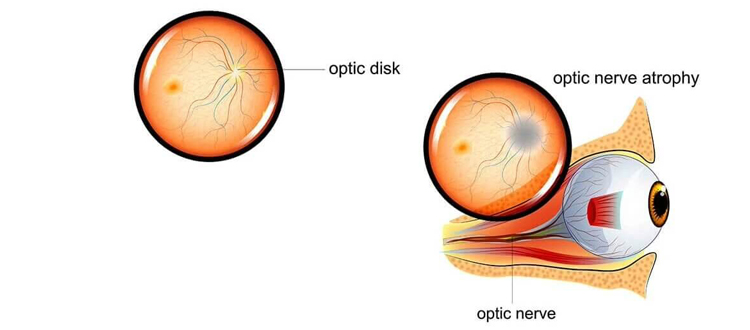
Alright, here’s the situation–it’s when your optic nerve (that cable that shoots signals from your eyeballs to your brain) starts breaking down. Not great news for your eyesight, honestly. Once that nerve gets damaged, your vision just kinda fades out, and there’s no “undo” button. It’s not like you can reboot your eyes or anything. So yeah, pretty important stuff. They may be related to reduced blood supply to the optic nerve, trauma, inflammation, or genetic disorders. Early diagnosis matters — if you catch it early enough, you might be able to save your vision and better tame the disease.
Signs and Indications
Signs and symptoms associated with optic nerve atrophy vary depending on severity and aetiology. Here are some symptoms:
- Gradual or sudden loss of vision.
- Blurred or dull vision.
- Decreased contrast sensitivity or brightness.
- Altered colour perception.
- Paleness of the optic disc is s
- seen on eye examination.
Since these signs can be present in other diseases of the eye, it is important to have a professional evaluation to confirm the diagnosis.
Conventional Treatment Options
Conventional treatment for ONA treatment in India is aimed at treating the causes, not reversing the damage. This may involve treating inflammation, promoting blood flow, or addressing related conditions like Glaucoma or Multiple Sclerosis. While these techniques may be used to slow the progress of the disease, they are generally not considered to regain vision to a significant degree as well. And this is where the advances in regenerative medicine have brought promising alternatives.
Stem Cell Treatment for Optic Nerve Atrophy
Stem cell therapy is under investigation as a regenerative treatment for damage to the optic nerve. Stem cells have extraordinary potential for self-renewal and differentiation into multiple specialised cells, which may contribute to the repair of injured nerve tissue. In optic nerve atrophy, it seeks to increase blood flow, to be anti-inflammatory, and to make the optic nerve environment more conducive to neural regrowth. Experimental and clinical evidence indicate that it may be beneficial in enhancing visual functions and/or preventing further degeneration.
5 Potential Benefits of Stem Cell Therapy for Optic Nerve Atrophy
Although individual results can be different, the possible benefits of stem cell therapy for optic nerve atrophy are as follows:
- Improvement of visual acuity.
- Prevention of degeneration of the optic nerve.
- Promotes cellular repair and regeneration.
- Conducive to healthier blood flow around the optic nerve.
- Non-surgical and minimally invasive treatment.
Treatment plans are typically customised based on the extent of nerve damage and patient-specific factors related to the health of patient.
Consultation & Evaluation
A full eye examination and neurological evaluation are necessary before contemplating any form of advanced therapy. Ophthalmologists and experts perform high-resolution imaging, visual field tests and other procedures to check how much damage there is in the optic nerve. This process also involved determining if a patient is appropriate for bone marrow–based therapies.
Future Outlook
Regenerative ophthalmology is an emerging area of science. Stem cell treatment for Atrophy is a new approach in vision care that aims to restore, rather than replace or compensate for lost, function.
The future promises even greater potential for those affected by this devastating disease as research and clinical development continue.
For more information, visit Eyestemcellcenter.com.
