
Sumit chrono
7 months ago


Stargardt disease usually appears between childhood and early adulthood and blurs central vision. For teenagers and students in Australia, it raises questions about school, university, driving and strong sunlight. This page explains the condition and where stem cell research stands.
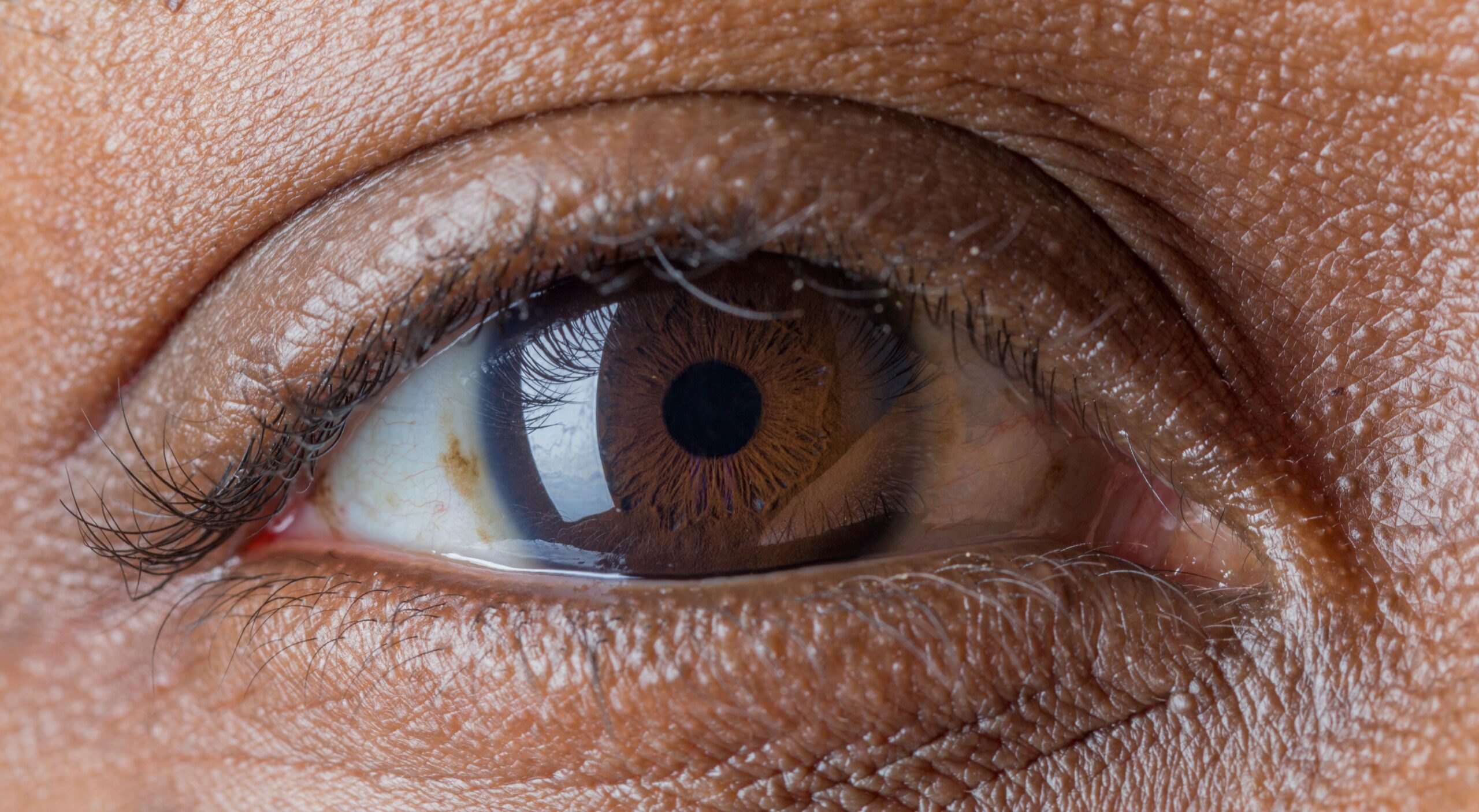
Waste material builds up beneath the macula, the central retina used for reading and recognising faces. Side vision usually remains, so most people move around independently.
It is inherited, often in a recessive pattern, and linked to the ABCA4 gene. Brothers and sisters can be examined, and genetic counselling helps families.
These tests confirm Stargardt disease.
Research is active, but nothing is guaranteed.
Replacing damaged support cells with cells grown from stem cells.
Not an approved cure.
Patients with a confirmed diagnosis, after examination.
Results vary.
Practical points for young people in Australia.
UV-blocking sunglasses and a hat, especially in the Australian summer.
Central vision loss can affect driving eligibility. Check with your state licensing authority.
Retina Australia and Vision Australia offer information and services.
Avoid high-dose supplements unless your doctor advises them.
Eye Stem Cell Center brings together pioneers in stem cell biotechnology and highly experienced ophthalmologists to provide advanced regenerative eye care with compassion and precision.
Dr. Pallavi is renowned for her expertise in cataract and corneal surgeries. With thousands of successful procedures, she combines surgical precision with a patient‑first approach.
Get ConsultationDr. Robin specializes in advanced cataract surgery, refractive procedures, and keratoconus treatment. His clinical excellence ensures patients receive world‑class eye care.
Get ConsultationDr. Pawan is an expert in retinal disorders, diabetic retinopathy, and advanced retina procedures. His patient‑focused approach ensures precise treatment and long‑term vision care.
Get ConsultationIt often declines over time, though speed varies.
Yes, with large text, good lighting and low-vision aids.
Not yet. Research is ongoing.


